A Look at Dakar’s Dwindling "Bubble Houses"
The 1950s concrete dome houses were once widespread in Senegal’s capital. Photojournalist Andrea Ferro documented some of the few surviving structures, and the people who live in them.
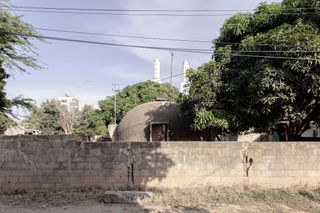
The 1950s concrete dome houses were once widespread in Senegal’s capital. Photojournalist Andrea Ferro documented some of the few surviving structures, and the people who live in them.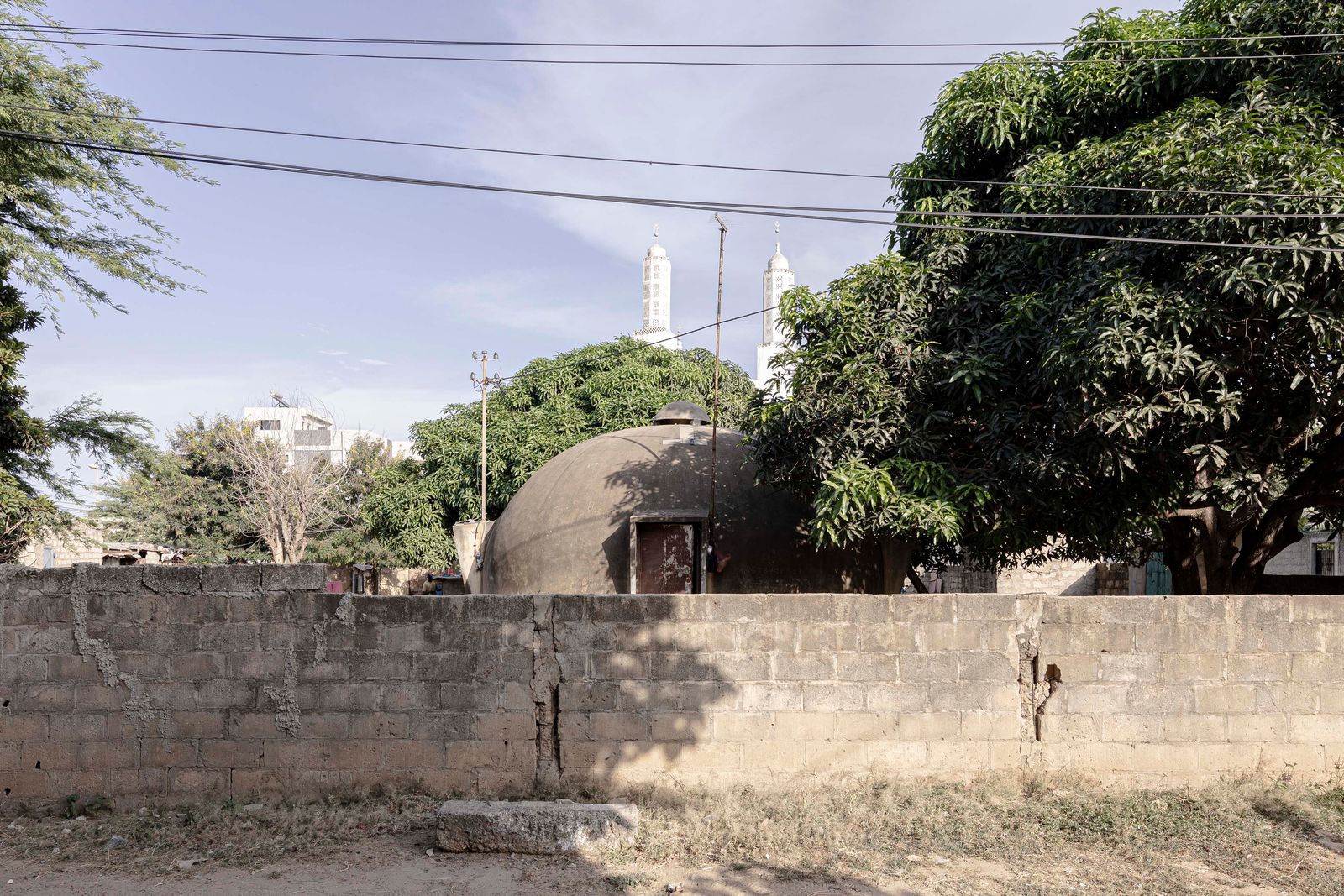
Since 2021, I’ve spent part of each year in Dakar, Senegal, for my work as a photojournalist and videographer. I mainly cover stories related to social issues and the effects of climate change on communities. About a year ago, an Italian friend living in Dakar told me about some dome houses in his neighborhood. I’d never heard of them before. Intrigued, I went with him to take a look.
Though I’ve focused my photography practice on reporting, I have an architecture degree and worked briefly as an architect. That’s probably why Dakar’s "bubble houses" remained in the back of my mind until I returned to Senegal to complete another project last October. Without much planning, I went back to the area I visited the year before, called Ouakam, where the largest number of remaining bubble houses are located. Its residents call it "Cité Ballon." There, I met one of the oldest residents of the neighborhood, known as Mr. "Papis." He introduced me to other owners of nearby bubble homes who welcomed me in to document their living setups. The stories I gathered from them, as well as from residents of surviving bubble houses in another district called Hann, helped me piece together some of the history of these at-risk pieces of Dakar’s architectural heritage.
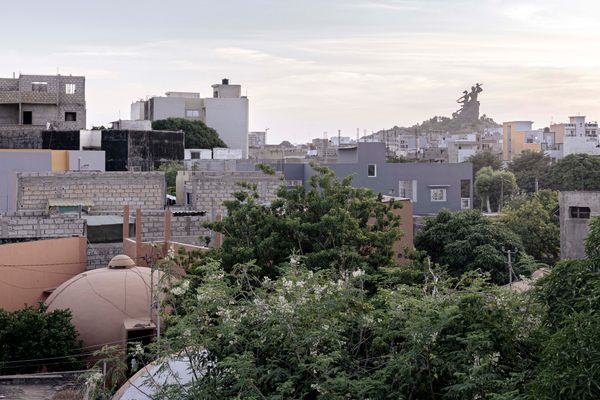
The African Renaissance Monument towers on a hill overlooking Dakar’s Ouakam district, also nicknamed Cité Ballon for its historic population of "bubble houses" (or "balloon houses"). Between the 1950s and 1970s, some 1,200 of the concrete dome homes were built in several neighborhoods of Senegal’s capital. They were commissioned by the French colonial authorities as part of a plan to address a post-World War II housing shortage.
Photo by © Report Arch / Andrea Ferro Photography
Dakar’s bubble houses were developed from California architect Wallace Neff’s concept for the Airform house, which could be constructed using a giant inflatable balloon that was covered with steel mesh and then sprayed with gunite. The experimental dome homes were devised to be built on-site quickly and affordably, with minimal use of materials.
Photo by © Report Arch / Andrea Ferro Photography
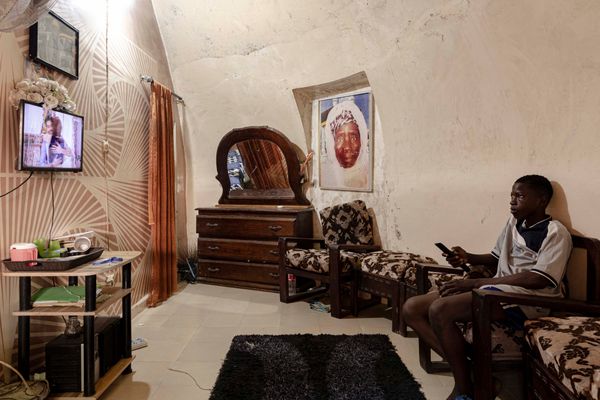
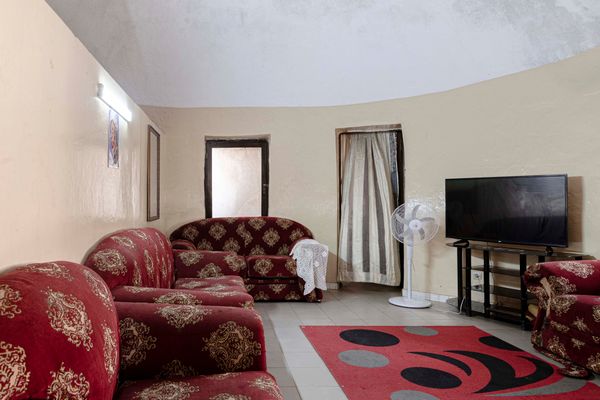
A boy watches TV inside his family’s bubble house in Ouakam.
Photo by © Report Arch / Andrea Ferro Photography
See the full story on Dwell.com: A Look at Dakar’s Dwindling "Bubble Houses"
Related stories: