Brasília and Chandigarh: Two Modernist Utopias an Ocean Apart
Between the 1950s and 1960s, two cities were built that would leave a lasting mark on the history of architecture and urbanism. Born from a shared vision yet separated by more than 14,000 kilometers, Brasília in Brazil and Chandigarh in India were both planned and constructed from scratch, deeply shaped by modernist principles.
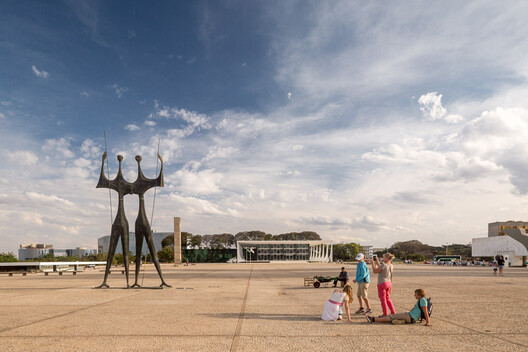
 Brasília © Joana França
Between the 1950s and 1960s, two cities were built that would leave a lasting mark on the history of architecture and urbanism. Born from a shared vision yet separated by more than 14,000 kilometers, Brasília in Brazil and Chandigarh in India were both planned and constructed from scratch, deeply shaped by modernist principles.
Emerging during a period of profound political and social transformation, when many nations sought to redefine their capitals as symbols of progress, both cities assumed a strategic role. Through their architectural language, they reinforced ideological and national narratives closely tied to state power.
These were cities conceived in the abstract, guided by a utopian vision. They were intended to be avant-garde urban centers, free from the deficiencies that plagued mid-twentieth-century cities, embodying aesthetic principles aligned with progressive political ideals and embracing new technologies—most notably the automobile.
Yet this promise of the future also generated significant challenges. While these difficulties undoubtedly reflect the social and economic realities of their respective countries, they were also shaped by a modernist vision that is increasingly being reassessed today.