In the late 16th century, the gardens of Villa Medici, transformed under Cardinal Ferdinando de' Medici, were organized around the celebrated system of the Carrés (historically known as I Quadrati): sixteen orthogonal compartments structured within a rigorous geometric plan. While the perimeter avenues expressed the language of Medici magnificence, the interior of each Carré supported a highly productive agricultural regime. Archival descriptions confirm the cultivation of vegetables, herbs, and fruit trees; plants valued not only for their rarity and beauty but also as instruments of political identity and territorial order. The Medici treated horticulture as both aesthetic display and economic infrastructure.
This website uses cookies to distinguish you from other users of our website. The use of cookies helps us to provide you with a specific service, to facilitate website use and to understand our visitors. By continuing to browse the site you are agreeing to our use of cookies.

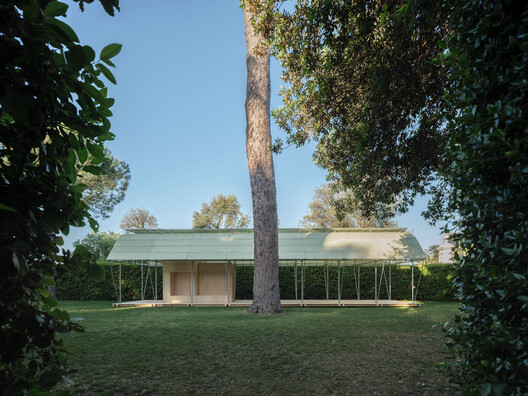
 © Luis Diaz Diaz