Design as Repair: How Architecture Is Advancing Environmental Justice
Environmental justice confronts a simple but uncomfortable truth: the benefits and burdens of the environment are not shared equally. Marginalized communities bear a disproportionate share of polluted air, unsafe water, toxic land uses, extreme heat, and the accelerating risks of climate change in cities around the world. These are the consequential products of decades of policy decisions, investment patterns, exclusionary planning practices, and planning choices that have consistently favored certain communities over others.
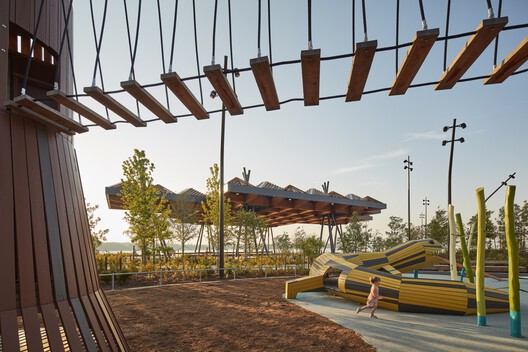
 Tom Lee Park / SCAPE + Studio Gang. Image © Tom Harris
Environmental justice confronts a simple but uncomfortable truth: the benefits and burdens of the environment are not shared equally. Marginalized communities bear a disproportionate share of polluted air, unsafe water, toxic land uses, extreme heat, and the accelerating risks of climate change in cities around the world. These are the consequential products of decades of policy decisions, investment patterns, exclusionary planning practices, and planning choices that have consistently favored certain communities over others.
In cities and landscapes alike, these injustices are written into the physical fabric of places, even revealing extreme differences in environmental conditions between neighborhoods and districts. Dense neighborhoods with little tree canopy, for example, absorb and hold heat, exposing residents to higher rates of heat-related illness. Highways, industrial corridors, ports, and waste facilities cluster near low-income neighborhoods and communities of color, shaping conditions of health, air and soil quality, and long-term safety.



.jpg?1634764093#)