Designing for Time: Material Aging as a Design Strategy
The figure of Tithonus in Greek mythology offers a reflection on the paradox of permanence. In pleading with Zeus for immortality, he forgot to request eternal youth, resulting in a life of endless aging. Over time, his body deteriorates, turning immortality itself into a burden. The narrative suggests a fundamental contradiction: permanence, when detached from the capacity for change, ceases to be a desirable quality. Instead of stability, it produces accumulated decay without adaptation.
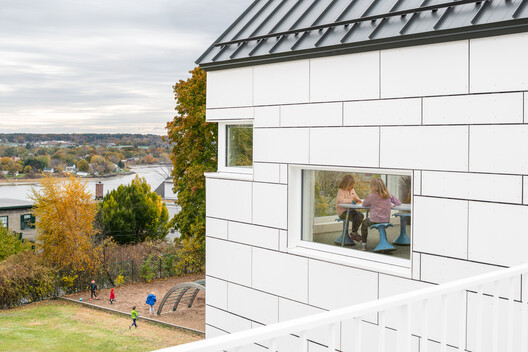
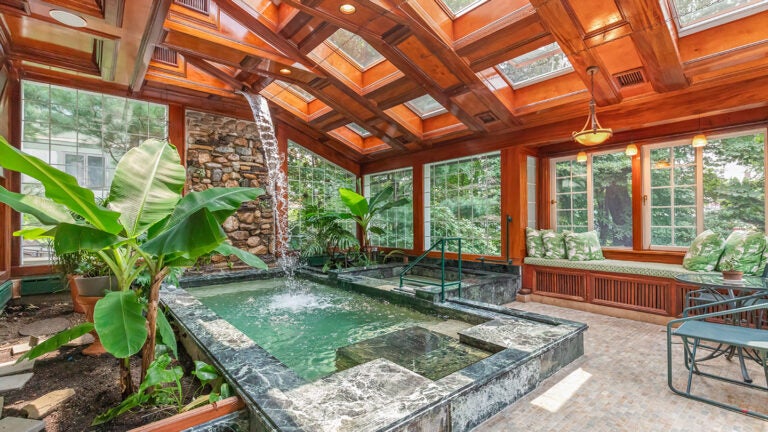
 Waynflete Lower School / Simons Architects. Image © Ryan Bent Photography
The figure of Tithonus in Greek mythology offers a reflection on the paradox of permanence. In pleading with Zeus for immortality, he forgot to request eternal youth, resulting in a life of endless aging. Over time, his body deteriorates, turning immortality itself into a burden. The narrative suggests a fundamental contradiction: permanence, when detached from the capacity for change, ceases to be a desirable quality. Instead of stability, it produces accumulated decay without adaptation.
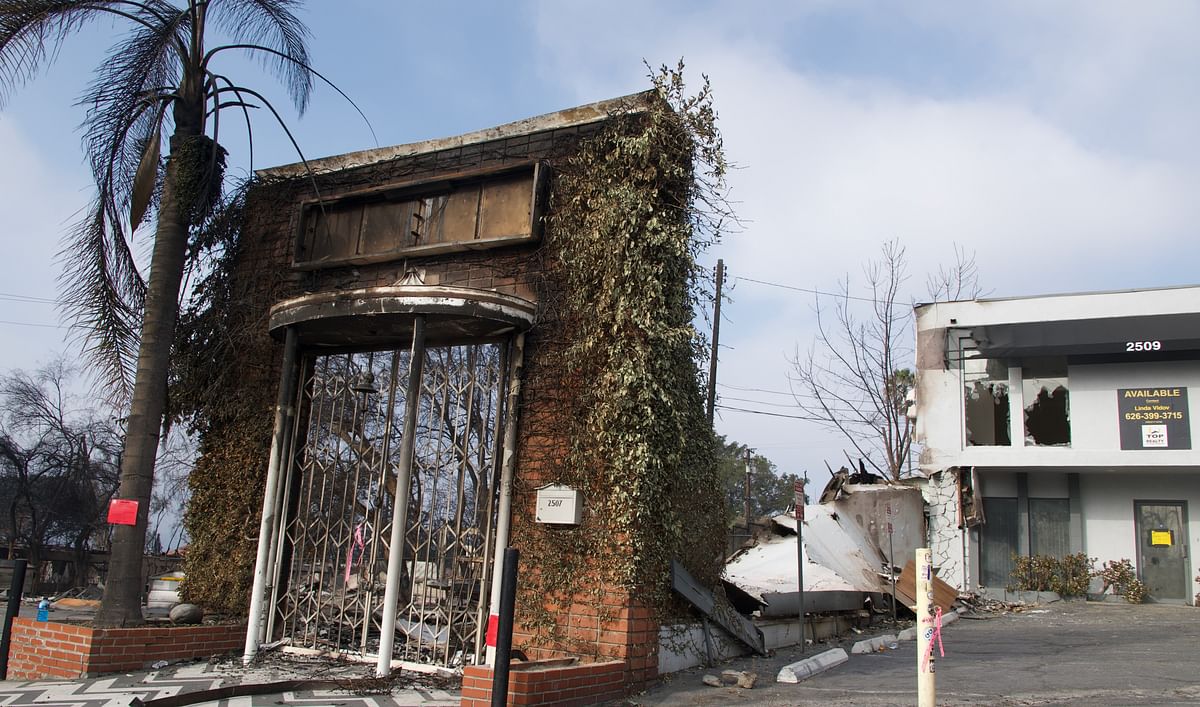
Historically, architecture has often fallen into the "Tithonus Trap." Materials are specified to resist time, systems are detailed to prevent change, and buildings are conceived as fixed images. Yet, this pursuit of the static rarely survives the reality of the elements. Between the moment of design—often associated with precise and controlled representations—and the lifespan of a building, surfaces inevitably weather, shift in appearance, and lose their initial finish. Aging is often interpreted as loss rather than as part of the architectural language.