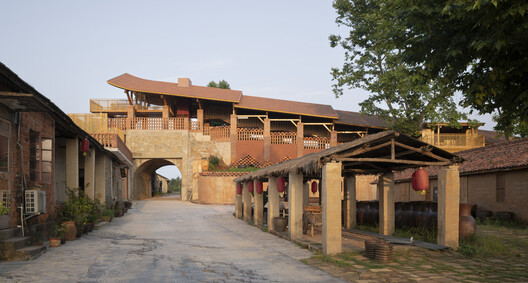
In the quaint village of Khandiya in Gujarat's Panchmahal district, a new house stands rooted in land, memory, and the promise of change. Sloped tiled roofs, thick lime-plastered walls, earthen floors, and shaded plinths suggest a familiar rural home. Yet this dwelling is a deliberate architectural proposition—challenging the binary of tradition versus progress. Could rural architecture evolve rather than be abandoned? Could modular design bridge the widening gap between India's transitioning rural communities and the housing being built for them?
This website uses cookies to distinguish you from other users of our website. The use of cookies helps us to provide you with a specific service, to facilitate website use and to understand our visitors. By continuing to browse the site you are agreeing to our use of cookies.

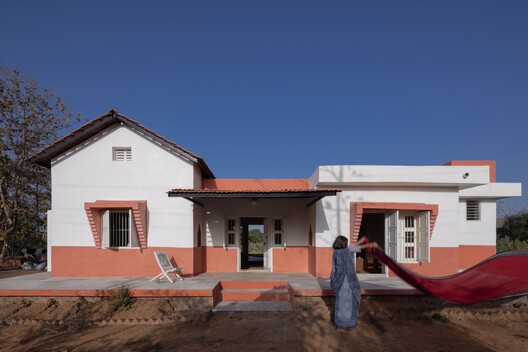
 © The Space Tracing Company