How Contemporary Design Fairs Are Redefining Craft
In an age dominated by screens and digital images, the full character of a designed object often remains hidden. Only when encountering an object in person can one sense its texture, notice how it interacts with light, or even perceive its subtle smell. These sensory qualities— so difficult to convey online—reveal why design fairs continue to matter. Increasingly, these fairs have become spaces for experimentation in contemporary design, where ideas about materials, collaboration, and social responsibility are publicly explored. Curated programs, exhibitions, and experimental installations transform these events into environments where designers, manufacturers, and researchers test new possibilities for the built realm.
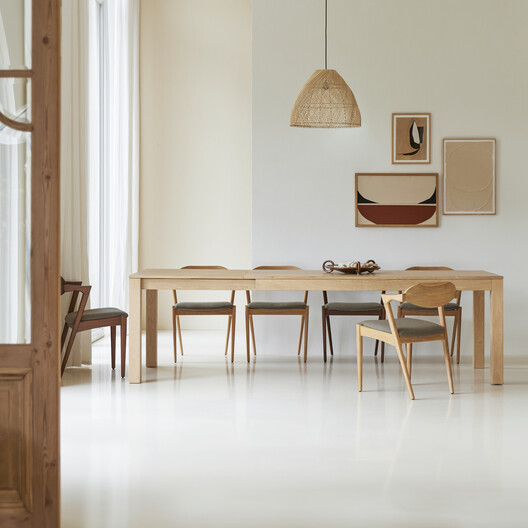
 TIKAMOON / EDEN. Image Courtesy of ICFF
In an age dominated by screens and digital images, the full character of a designed object often remains hidden. Only when encountering an object in person can one sense its texture, notice how it interacts with light, or even perceive its subtle smell. These sensory qualities— so difficult to convey online—reveal why design fairs continue to matter. Increasingly, these fairs have become spaces for experimentation in contemporary design, where ideas about materials, collaboration, and social responsibility are publicly explored. Curated programs, exhibitions, and experimental installations transform these events into environments where designers, manufacturers, and researchers test new possibilities for the built realm.