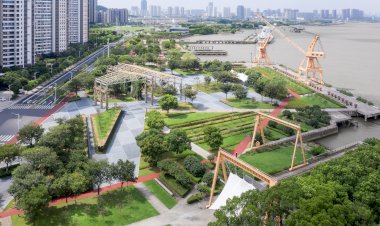
How Waterways and Memory Shape Bathroom Design
Water has always occupied a unique position in architecture: elemental yet elusive, functional yet symbolic. It is both a material and a medium that shapes cities, structures rituals, and influences how space is perceived. Across cultures, water is understood not only as a source of life but as a carrier of meaning, associated with purification, renewal, and continuity. Its presence in the built environment often extends beyond utility, becoming a device through which architecture engages the senses and constructs atmosphere.
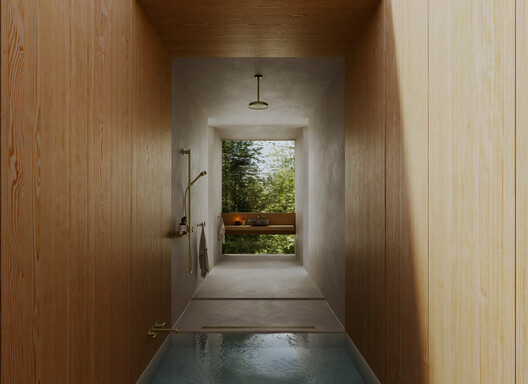
 Waterway bathroom concept by Haihua Zhang and the bathroom collection AXOR Archivio by Barber Osgerby. Image Courtesy of AXOR
Water has always occupied a unique position in architecture: elemental yet elusive, functional yet symbolic. It is both a material and a medium that shapes cities, structures rituals, and influences how space is perceived. Across cultures, water is understood not only as a source of life but as a carrier of meaning, associated with purification, renewal, and continuity. Its presence in the built environment often extends beyond utility, becoming a device through which architecture engages the senses and constructs atmosphere.