Moving Beyond Metrics Toward Neuroinclusive Daylighting
Loud noises, the continuous hum of equipment, abrupt changes in light, or intense reflections often go unnoticed. For neurodivergent individuals, these stimuli can provoke significant discomfort or even intense physical and cognitive reactions. The term "neurodivergent" refers to people whose neurological functioning differs from what is considered typical, encompassing conditions such as autism, ADHD, and dyslexia, as their brain processes information differently, particularly in relation to sensory input, attention and emotional regulation.
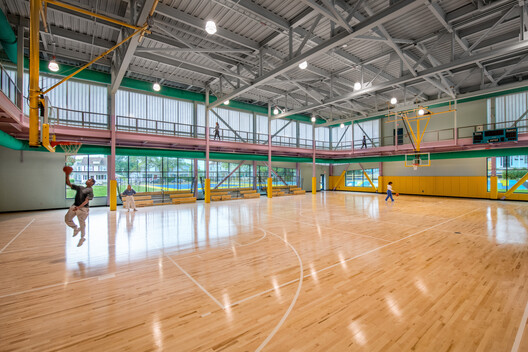
 Lucks Field Community Center. Image © Sam Kittner Photography
Loud noises, the continuous hum of equipment, abrupt changes in light, or intense reflections often go unnoticed. For neurodivergent individuals, these stimuli can provoke significant discomfort or even intense physical and cognitive reactions. The term "neurodivergent" refers to people whose neurological functioning differs from what is considered typical, encompassing conditions such as autism, ADHD, and dyslexia, as their brain processes information differently, particularly in relation to sensory input, attention and emotional regulation.
Yet light is not only visual, it is neurological. How it enters a space, moves across surfaces, and changes over time can profoundly affect cognitive comfort. Extreme contrasts, glare, direct beam penetration, and rapid variations in brightness require constant adjustment from the visual systems and, for individuals with greater sensory sensitivity, this effort can translate into fatigue, distraction, or discomfort.