Smiljan Radić: Material Explorations Between Ephemerality and Permanence
Chilean architect Smiljan Radić Clarke has developed a body of work that resists easy categorization. His buildings often seem both ancient and provisional, carrying a monumental presence while retaining an unexpected sense of fragility. Stone, concrete, timber, fabric, and fiberglass are combined in unexpected ways, producing architectures that hover between permanence and ephemerality. Rather than pursuing a stable formal language, the 2026 Pritzker laureate approaches architecture as an open field of experimentation, where material behavior and structural perception are constantly tested.
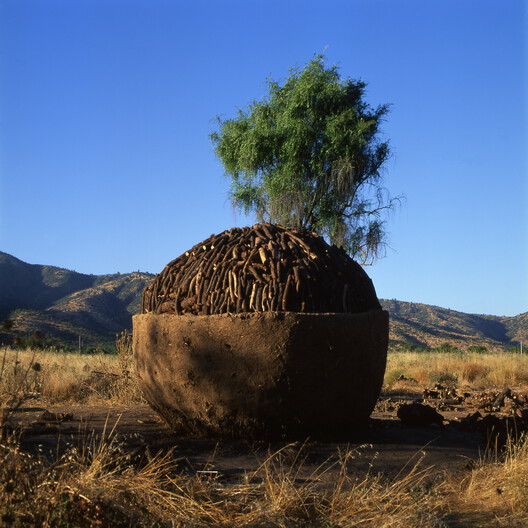
 Carbonero House (1998). Melipilla, Chile. Image Courtesy of Smiljan Radić
Chilean architect Smiljan Radić Clarke has developed a body of work that resists easy categorization. His buildings often seem both ancient and provisional, carrying a monumental presence while retaining an unexpected sense of fragility. Stone, concrete, timber, fabric, and fiberglass are combined in unexpected ways, producing architectures that hover between permanence and ephemerality. Rather than pursuing a stable formal language, the 2026 Pritzker laureate approaches architecture as an open field of experimentation, where material behavior and structural perception are constantly tested.



-1.jpg?1611379381#)