A Microforest Grows in New Orleans
Using the Miyawaki method of planting tree seedlings densely, a group ranging from landscape architects to volunteers has transformed a slice of a city still recovering from Hurricane Katrina.
Using the Miyawaki method of planting tree seedlings densely, a group ranging from landscape architects to volunteers has transformed a slice of a city still recovering from Hurricane Katrina.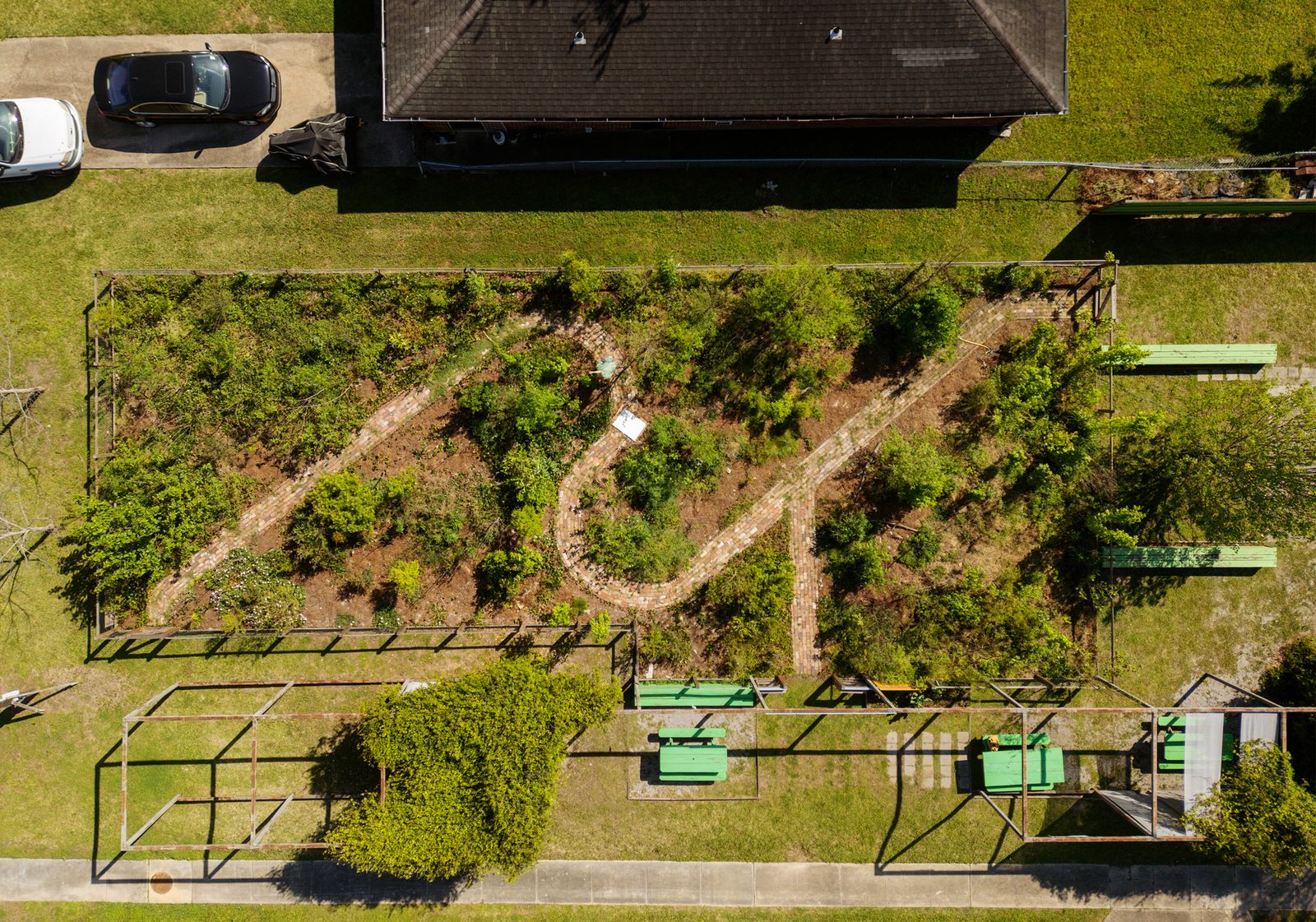
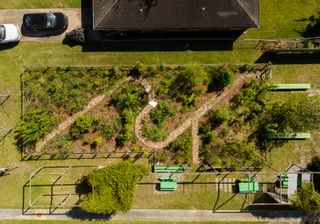
When landscape architect Bonnie-Kate Walker moved to New Orleans from Zurich, Switzerland, in 2023, she did not anticipate spearheading a multigenerational experiment in introducing Japanese reforestation methods to the Gulf Coast city. However, as those familiar with growing plants know, it’s always important to expect the unexpected, and when an opportunity arose to grow a microforest on a 3,300-square-foot housing lot amid Bayou Bienvenue, Walker jumped at it.
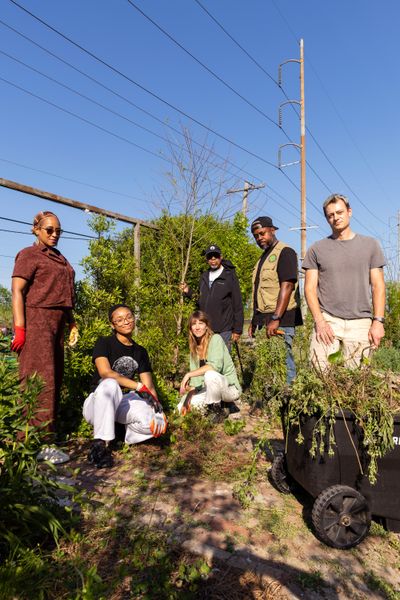
The result, called the Garden of the 21st Century, is one of a handful of experiments in soil health across the world, funded by the Chair of Being Alive, a department at ETH Zurich devoted to the study of climate and landscape. According to its website, the gardens each seek to capture a "vibrant, living soil that supports and is supported by a diversity of organisms." Each is unique to the environment in which it grows, but regardless of the location, all were created out of a similar concern: People are becoming increasingly detached from a rapidly changing Earth, and we need new opportunities to connect to and nourish our living environment.
The problem has become especially dire in New Orleans, where an estimated two hundred thousand trees were destroyed during Hurricane Katrina in 2005. Attempts at regrowth have been slow, due to fluctuating funding, local-government snafus (such as the Sewerage & Water Board of New Orleans unwittingly cutting down 107 newly planted trees), and a wary population of residents who see trees as a danger during hurricane season. Despite any potential destruction, the need for more is pressing. The city has some of the worst urban tree canopy coverage in the American South, increasing the number of heat deaths.
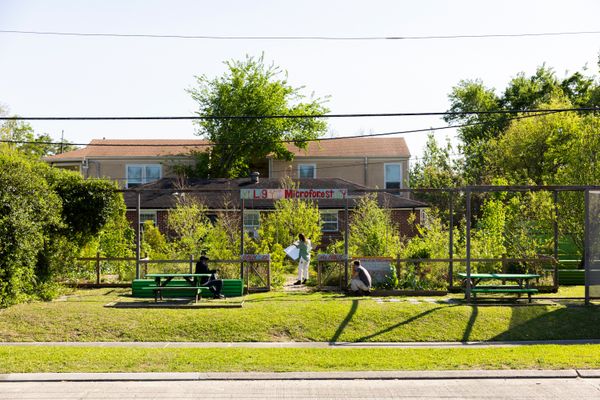
During her first year in New Orleans, Walker—who is a lecturer and researcher with the Chair of Being Alive, in addition to cofounding the landscape research and design collective Office of Living Things—became closely familiar with the ecology of the city by volunteering on tree planting missions with the Central Wetlands Reforestation Collective. Noting the climate similarities between the American Gulf region and parts of Japan—including heavy rainfall—she theorized that the Miyawaki method of forestation could allow native trees to flourish.
Developed in the 1970s, botanist Akira Miyawaki’s system seeks to reproduce the natural process in which, when a tree falls in the forest, the densely seeded understory grows rapidly in a competition to fill the space that the fallen tree once occupied. Miyawaki found that this process could be replicated by cultivating a large number of native plants in a relatively small area—called microforests—and that, when left without interference, the vegetation regenerates approximately 10 times faster than other human-led forestation efforts.
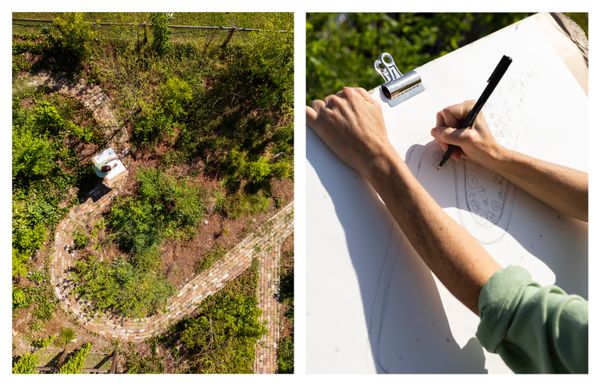
See the full story on Dwell.com: A Microforest Grows in New Orleans
Related stories: