The "three-compartment, two-wing" house (nhà ba gian, hai chái) is a hallmark of traditional rural architecture in Vietnam. Its name reflects its structure: three central bays (gian), with the middle bay serving as a reception area and ancestral altar, and the two flanking bays functioning as bedrooms or living spaces. On either side of the main hall are two smaller wings (chái), often used as kitchens, storage rooms, or additional sleeping quarters.
This website uses cookies to distinguish you from other users of our website. The use of cookies helps us to provide you with a specific service, to facilitate website use and to understand our visitors. By continuing to browse the site you are agreeing to our use of cookies.

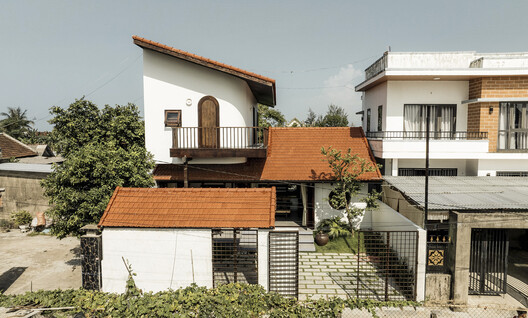
 © Nguyen Dang Hieu