They Turned a Closed-Off Attic Into One of the Best Spots in Their London Home
An architect couple refashioned the space as their office and primary suite with wood finishes, insulation, and a big window that looks onto the garden.
An architect couple refashioned the space as their office and primary suite with wood finishes, insulation, and a big window that looks onto the garden.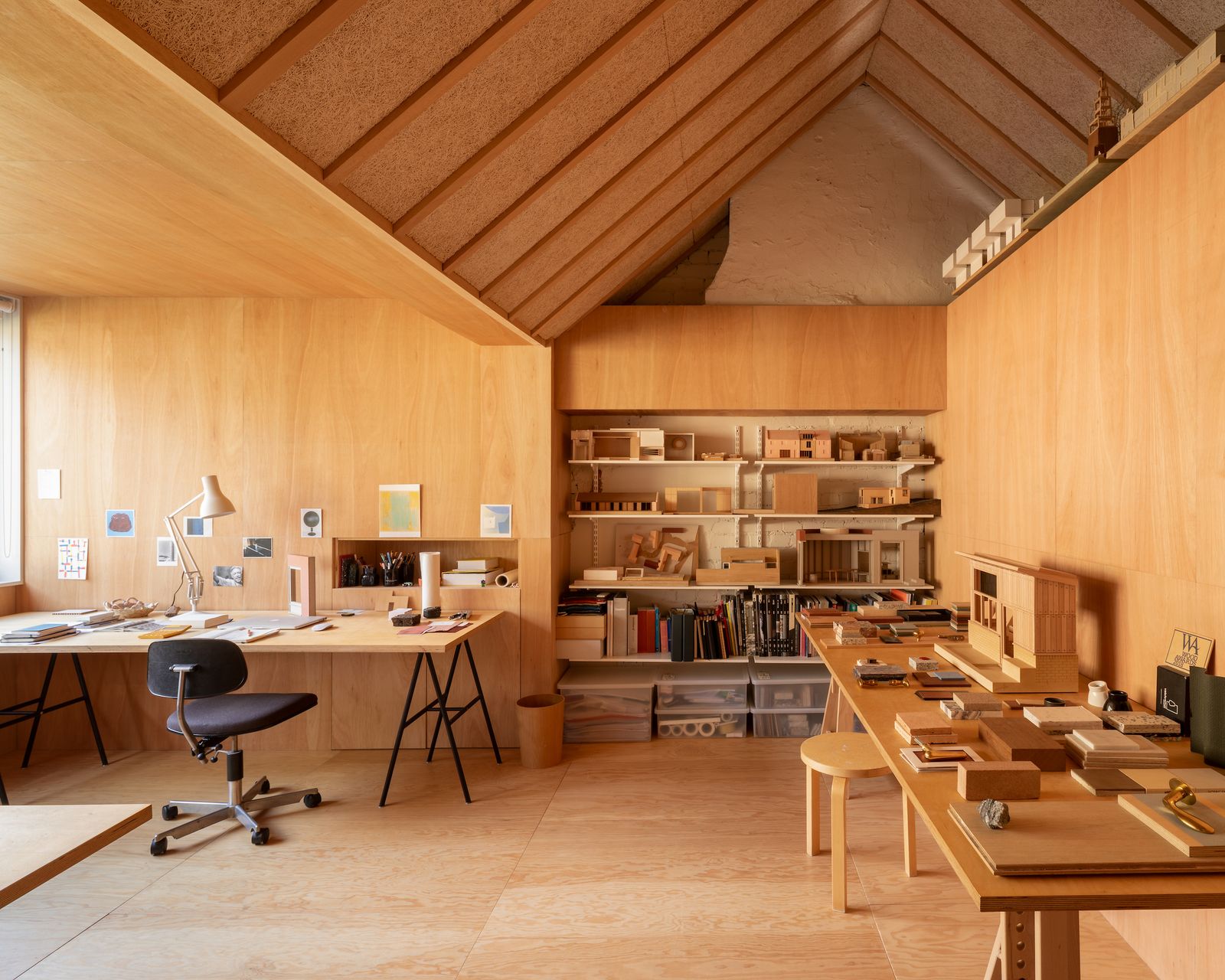
Houses We Love: Every day we feature a remarkable space submitted by our community of architects, designers, builders, and homeowners. Have one to share? Post it here.
Project Details:
Location: London, United Kingdom
Architect: O’Sullivan Skoufoglou Architects
Footprint: 1,600 square feet
Builder: TAT Building Ltd
Structural Engineer: Elliott Wood Partnership
Landscape Design: GRDN
Photographer: Stale Eriksen
From the Architect: "Built in the 1930s, the house had remained largely untouched for nearly a century. The previous owner had been born in the property and lived there his entire life, keeping it largely as it was. When Amalia Skoufoglou and Jody O’Sullivan first bought it in 2023 it had no central heating and with only rudimentary facilities for cooking and bathing. However, the house still retained original doors, fireplaces, cornices, picture rails, joinery, and subtle traces of everyday life accumulated over decades. The architects embraced this history, repairing and reusing elements wherever possible instead of replacing them.
"O’Sullivan Skoufoglou’s design kept the original layout and proportions of the lower floors. The main rooms remain largely intact, with new openings added between the kitchen and dining room. These openings improve light and movement, while allowing conversation to flow between each space. New joinery in the kitchen and bathrooms is designed as freestanding furniture rather than fixed units, subtly referencing Arts and Crafts principles of movable pieces. Storage and appliances are proportioned to echo existing doors and joinery, reinforcing a sense of continuity.
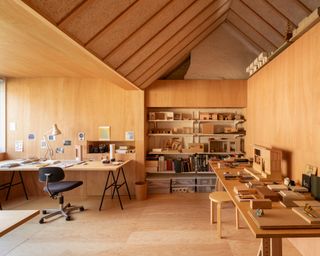
"The most significant intervention occurs at the top of the house, where a previously dormant and inaccessible attic has been transformed into a combined primary bedroom and office for the architects. A large new window introduces views to the garden and natural light, allowing drawing, model making, and extended periods of studio work. A new timber stair connects the first floor to the attic, creating a clear link between the old and new. The architects used a dual-layer system to reveal the roof structure while achieving modern thermal performance. The existing rafters were extended and paired with wood-wool insulation, keeping the original construction legible. Plywood wall linings and floors create a tactile, low-maintenance environment suited equally to work and rest.
"Material reuse is integral to the project. Bricks from a removed chimney breast have been repurposed as garden paving, original floorboards reimagined as fencing, and terra-cotta roof tiles laid on edge to form the front patio. These design choices extend the life of existing materials while building a sense of continuity between interior and exterior spaces. The rear garden has been retained and carefully reworked into a productive and resilient landscape. Mature trees were complemented with new planting focuses on ecologically valuable species. Raised beds support growing seasonal vegetables and fruit, while reclaimed York stone paths help tie the garden together."
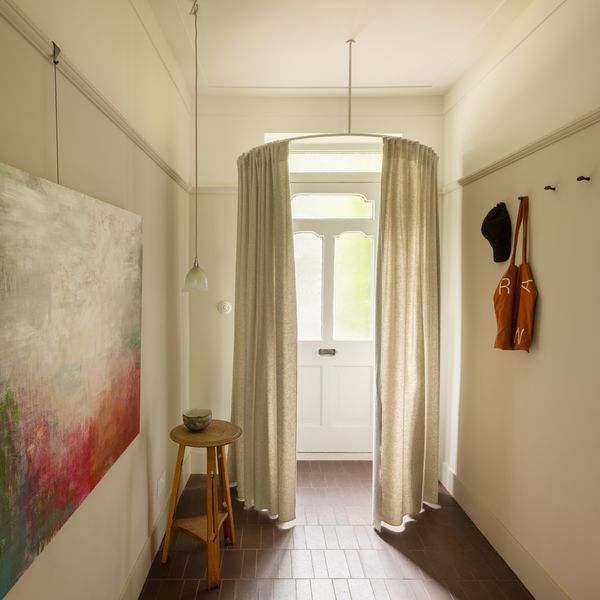
Photo by Stale Eriksen
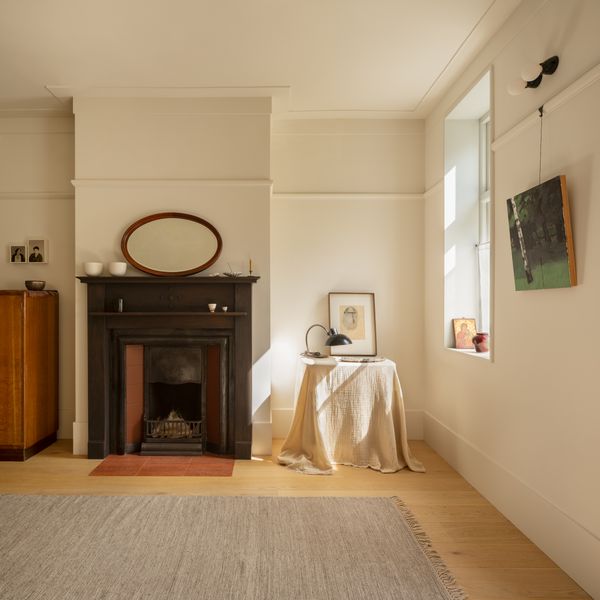
Photo by Stale Eriksen
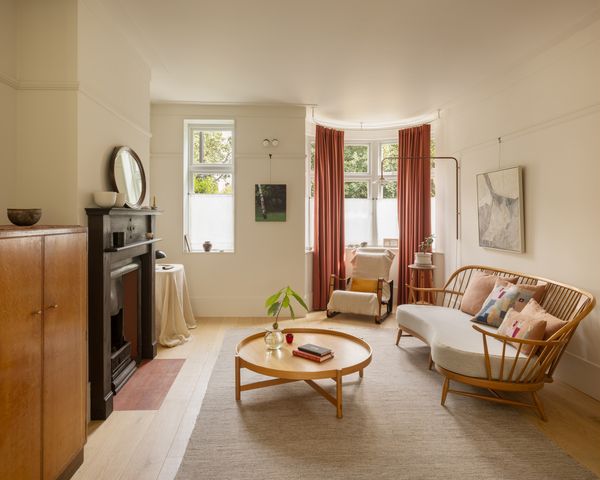
Photo by Stale Eriksen
See the full story on Dwell.com: They Turned a Closed-Off Attic Into One of the Best Spots in Their London Home