You Can Never Go Home Again. But You Can Spend a Lifetime Trying
My father designed two of the houses I grew up in. Then he died. I’m still untangling where his taste ends and mine begins.
My father designed two of the houses I grew up in. Then he died. I’m still untangling where his taste ends and mine begins.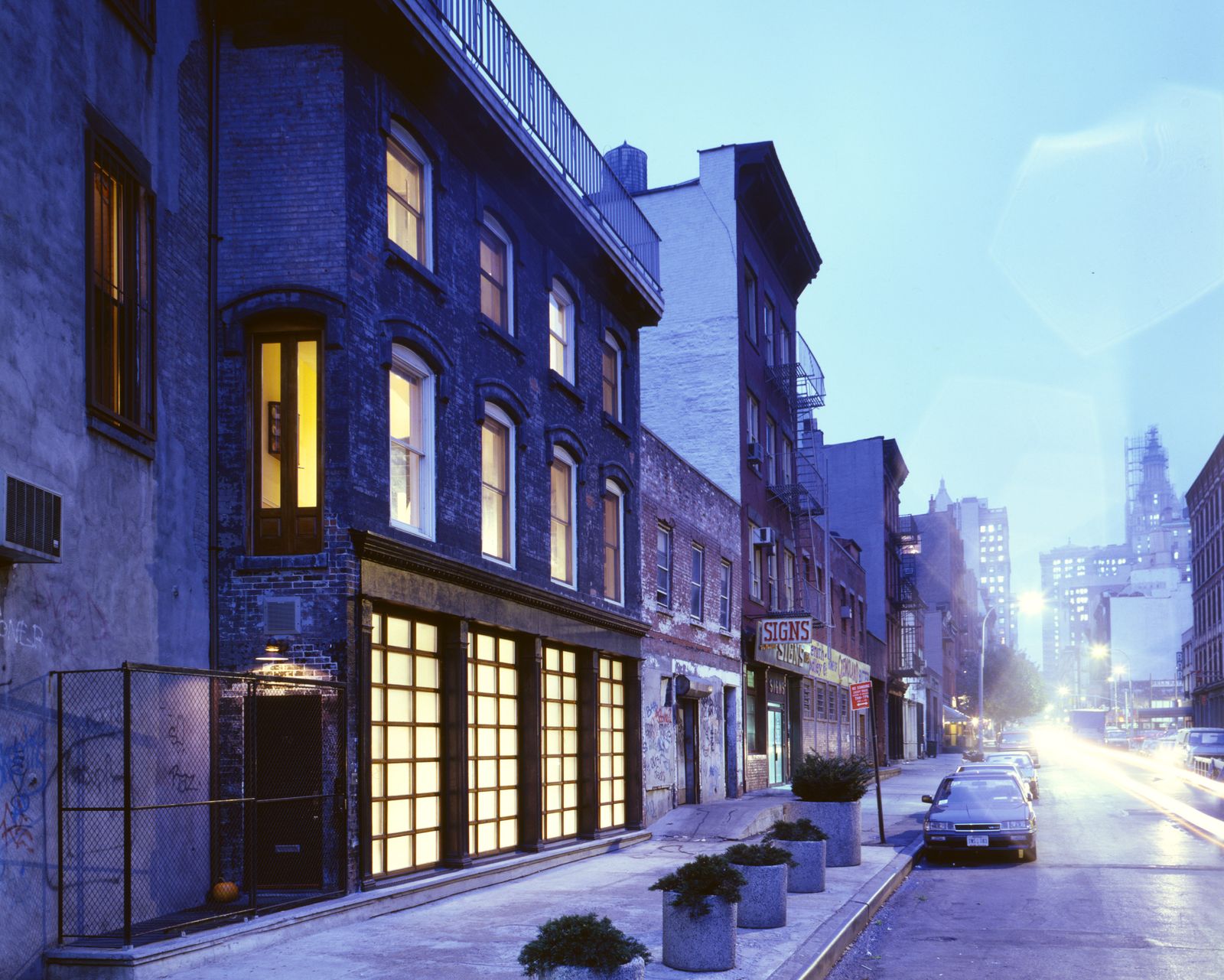
As I type this, a small wooden figure of a man sits perched above me on a mantel, one leg crossed over the other, head cocked slightly to the side. Although he is nameless and faceless, we are very familiar with one another. He used to reside in my dad’s office, where I’d play with him like a Ken doll whenever I visited. Typically used for reference for figure drawing, he is chiseled and bendable, with hinges for joints. I liked leaving him in different positions when I left—in a running motion, doing the Y-M-C-A, a ballet move—in the hopes that my dad might notice and laugh.
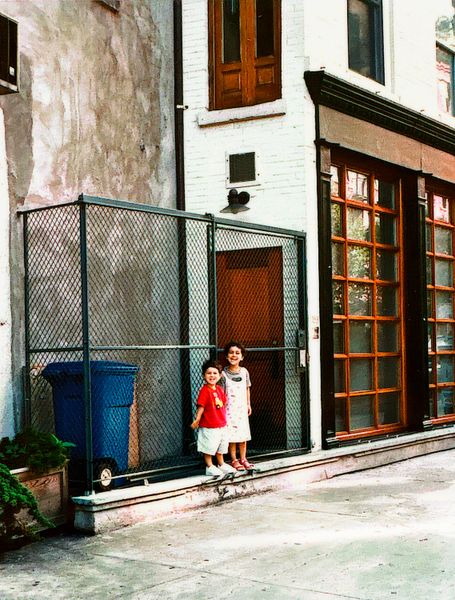
My brother Ian and I in the mid-1990s in front of the triangular Tribeca town house, built in 1861, that was our first home.
Photo courtesy Emilia Petrarca
My dad, John Petrarca, was an architect in New York City, and his presence lingers in some way, shape, or form in every home I’ve ever lived in, including the one I’m about to move out of. Over the last five years, that little wooden figure has seen a lot. He watched me furnish my first solo apartment from top to bottom, agonizing over every new addition. He watched me set up a desktop computer on my dining room table when I quit my job in 2023 and went freelance. And he watched me sit down next to my boyfriend—the one I’m moving in with—on my tiny, uncomfortable, undeniably stylish couch (technically a love seat) and realize that I may have grown out of the life I’d meticulously built for myself.
Moving is emotional. I don’t care who you are, where you live, or where you’re going; the experience of digging through and packing up all of your earthly possessions is destabilizing enough to turn even the toughest of tough guys into a blubbering pile of mush—and send you on a trip down memory lane that has you reflecting on the deeper meanings behind all your belongings.
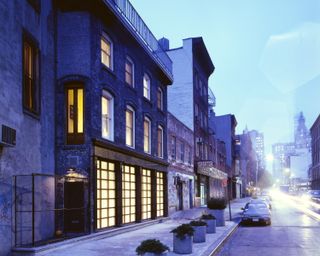
It wasn’t army-brat levels of uprooting, but being the daughter of an architect means living in a near-constant state of renovation. The home I was born in is a triangular-shaped Tribeca town house that is three feet wide at its narrowest point. My parents purchased it in 1982, back when the neighborhood was literally a parking lot, and renovated it largely on their own over the course of seven years, before I was born in 1992. A red-brick building that they painted white, it’s a Brooklyn brownstone meets a downtown loft, with lots of wood and a big, open floor plan. So open, in fact, that for years, my dad refused to install a handrail on the staircase because he "didn’t like the way it looked."
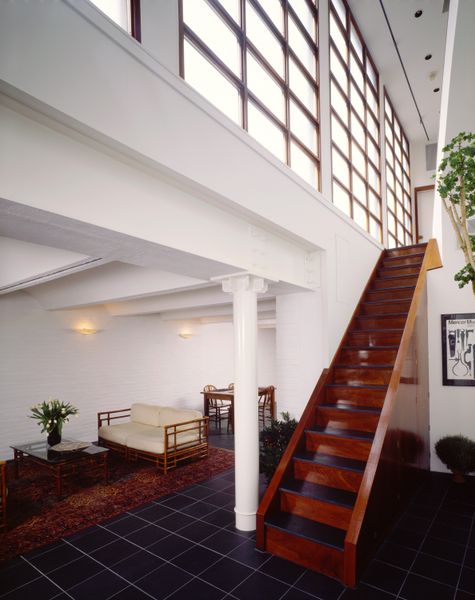
My father, architect John Petrarca, renovated the "Little House" in the early ’80s; a good portion of the living room, dining room and kitchen were entirely below ground. Here it’s seen in New York magazine’s December 25, 1989/January 1, 1990, issue.
Photo by Andrew Garn
We sold that house when I was eight and moved next door to another, much bigger, much more modern town house he built in May 2001. A mad-scientist-like realization of my dad’s wildest dreams, it features a solid steel facade and a 1,250-foot-deep geothermal well for heating. (He was quoted in this magazine in 2003, saying there wasn’t even a permit for this kind of work yet when he did it.) All the walls are white except for a ruby-red stairwell with glass steps—and, yes, steel handrails—plus a seven-story-tall metal mesh divider. Tragically, my dad only got to live in his dream home for two years, though, as he died of lung cancer in May 2003, when I was a preteen. Three years later, my mom, my brother, and I moved again, to a more traditional Tribeca town house.
I wanted pieces that felt "so me." But what did that even mean?
Ever since then, I’ve been trying to find my way back to the homes my dad built, particularly the more modern one, or the Big House, as we call it, as it’s the one I was conscious in for the longest amount of time, and my dad’s pièce de résistance. I have Google Alerts set up for both addresses, in case they’re ever listed. Not that I could ever afford either, but I still feel a responsibility to watch over them and go out of my way to walk by whenever I’m in the neighborhood. I’ve considered writing a tear-jerky letter to the current owners, in case they’re ever feeling generous. About 10 years ago, my brother and I even visited the Big House when they opened it up for a neighborhood design tour, which turned out to be a mistake. (Painfully heinous decorating.)
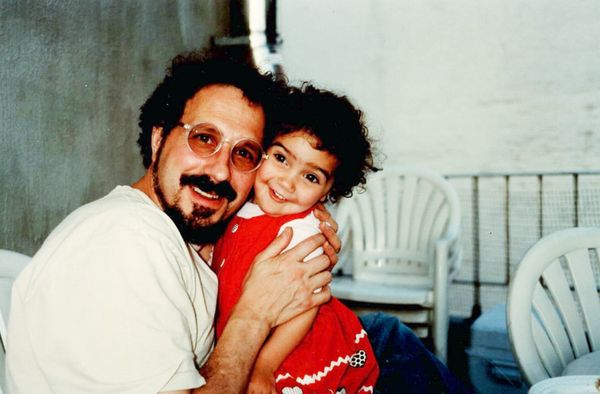
My father and I.
Photo courtesy Emilia Petrarca
See the full story on Dwell.com: You Can Never Go Home Again. But You Can Spend a Lifetime Trying
Related stories: