Digital Worlds and the Limits of Frictionless Space: Rethinking Scale and Materiality
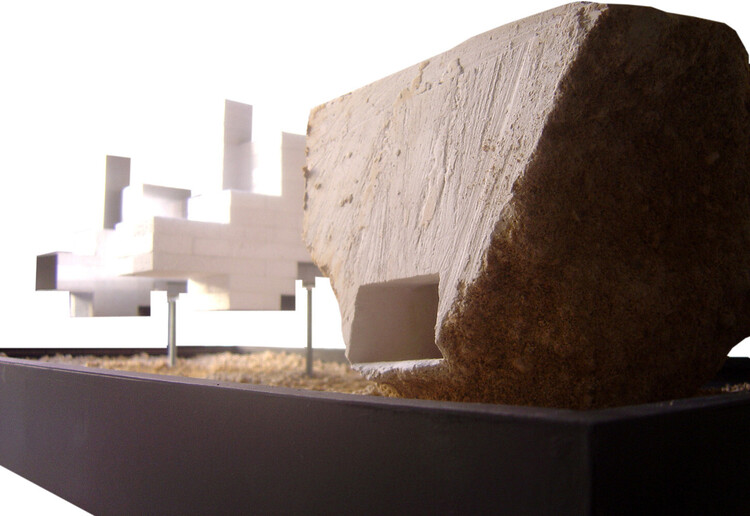
Historically, the way we design has been closely linked to the way we build. Architecture moved through physical testing, trial and error, projection drawings, mock-ups, and physical models: each introducing a new layer of abstraction, but still remaining tied to material, scale, and construction. The introduction of CAD significantly changed this dynamic. At first, it was largely understood as the computerization of precise geometry for construction. Over time, however, digital tools moved earlier into the design process, replacing sketching, physical trial and error, model-making, and other forms of thinking that had once kept scale and material close at hand.
Historically, the way we design has been closely linked to the way we build. Architecture moved through physical testing, trial and error, projection drawings, mock-ups, and physical models: each introducing a new layer of abstraction, but still remaining tied to material, scale, and construction. The introduction of CAD significantly changed this dynamic. At first, it was largely understood as the computerization of precise geometry for construction. Over time, however, digital tools moved earlier into the design process, replacing sketching, physical trial and error, model-making, and other forms of thinking that had once kept scale and material close at hand.