Editor’s Letter: A Handmade Future
Craft traditions are alive and well if you know where to look.
Craft traditions are alive and well if you know where to look.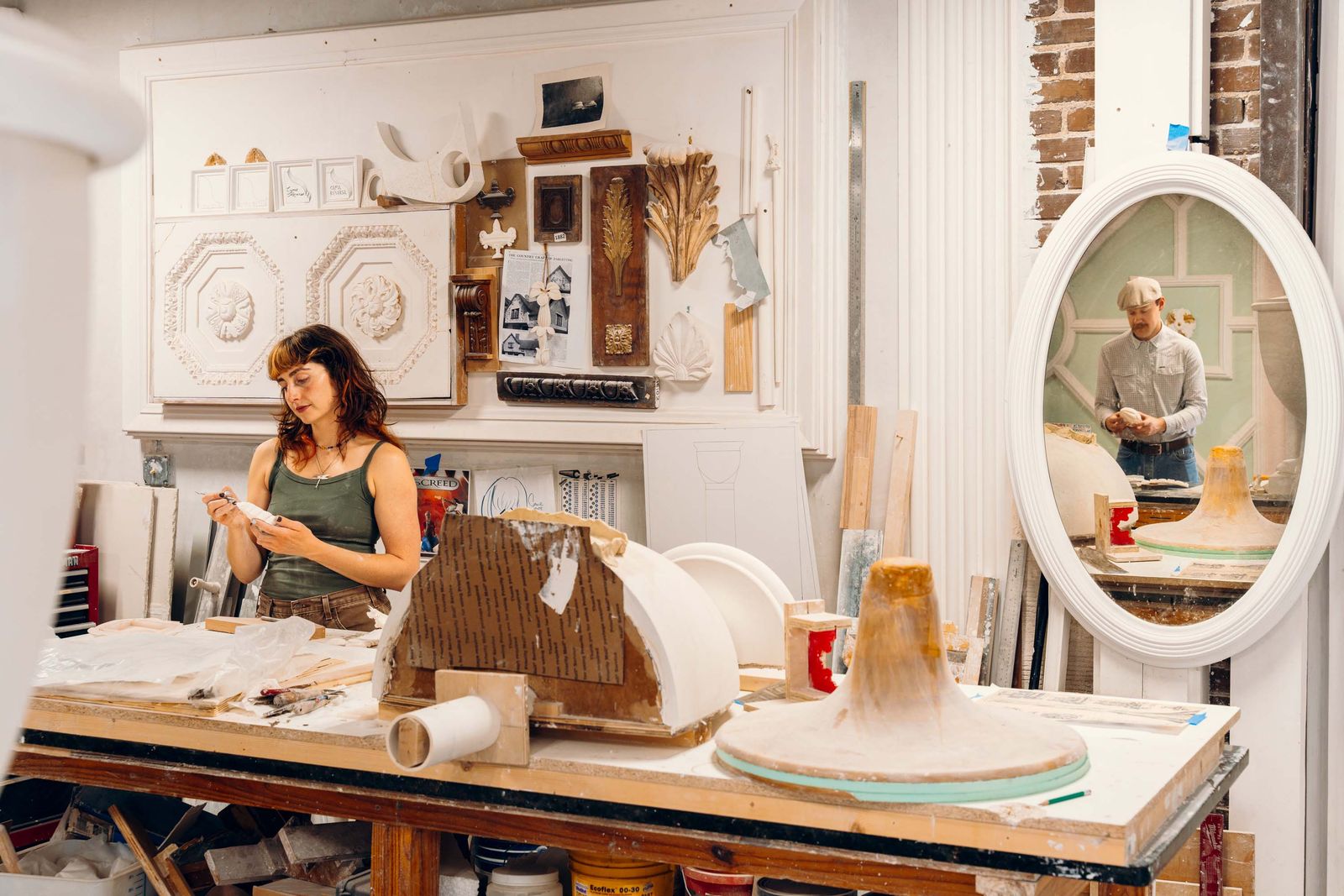
People often ask me questions I assume others don’t get. Things like, Where can I find someone to replicate this plasterwork by hand? Or, Where can I commission hand-forged hardware? Whether they’re restoring a historic home or trying to realize a contemporary concept, usually my reply is something like, Well, I know one person, and they are ninety and live in Italy.
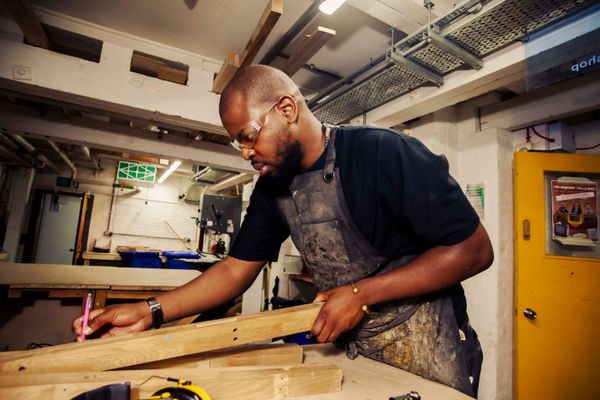
Photo: Mariana Pires
That’s an exaggeration, of course. Though we’ve lost a lot to history, there are many people keeping skilled craftsmanship alive all over the world. But unless you happen to live near a master who needs an apprentice, it’s tough for anyone eager to take up a traditional trade to figure out how.
Several schools over the years have aimed to meet that need—woodworker Ally Silberkleit, whose Vermont cabin we feature in this issue, is a Yestermorrow alum—but one, the American College of Building Arts in Charleston, is atypical in that it combines trade training (you can major in blacksmithing, architectural stone, plaster, and other handcraft disciplines) with a core liberal arts curriculum aimed at putting craft in context. How is its model working? We sent contributor Anjulie Rao to spend a few days there to find out.
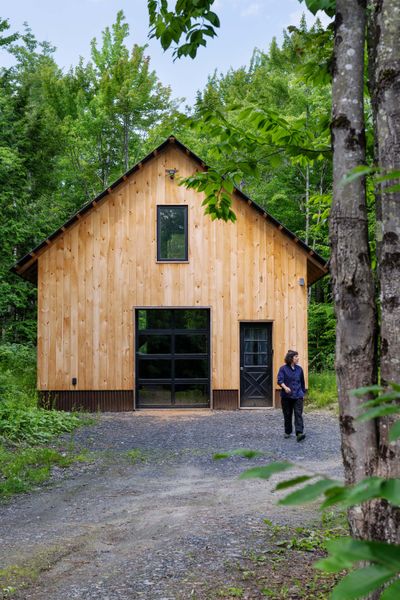
Photo: Tara Rice
We chose to feature the school in an issue dedicated to the future of design because it represents thinking about material and techniques in a way that carries them forward. Similarly, our annual Dwell 24 roundup of the best emerging designers of furniture, lighting, and other objects includes many rising stars using old techniques. Others are experimenting with new methods that could become tomorrow’s traditions.
One thing they all have in common is a rejection of minimalist slickness in favor of something that feels looser and often rougher. There are many examples of an aesthetic bricolage that jams together concepts, materials, and forms in ways that shouldn’t make sense but do—or maybe they don’t but with the most exciting kind of incongruity. That said, stylistically, the work is all over the place—from vases shaped like cartoonish Corinthian columns by Beirut designer Hamza Mekdad to post–Hot Topic Goth furniture from Baltimore duo Realm. There’s no orthodoxy here.
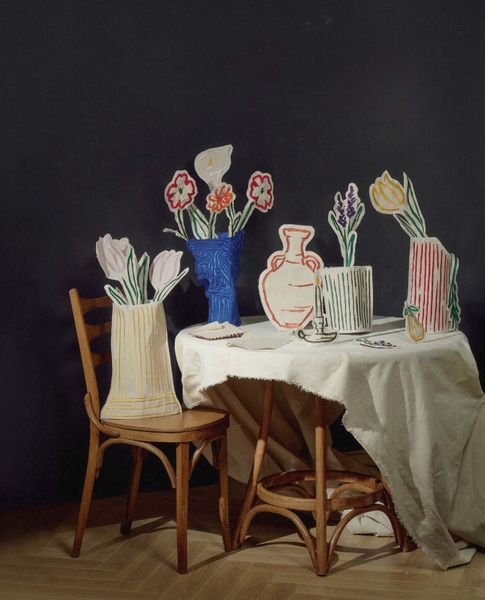
Photo by Gina Kazzi, creative direction by Hammerspace
See the full story on Dwell.com: Editor’s Letter: A Handmade Future
Related stories: