Is Good Design in a Vacation Rental Possible?
Filling an Airbnb with unique objects and quality furniture can feel like a big risk when it comes time to hand the keys over. A few owners of short-term properties share how they navigate that tension.
Filling an Airbnb with unique objects and quality furniture can feel like a big risk when it comes time to hand the keys over. A few owners of short-term properties share how they navigate that tension.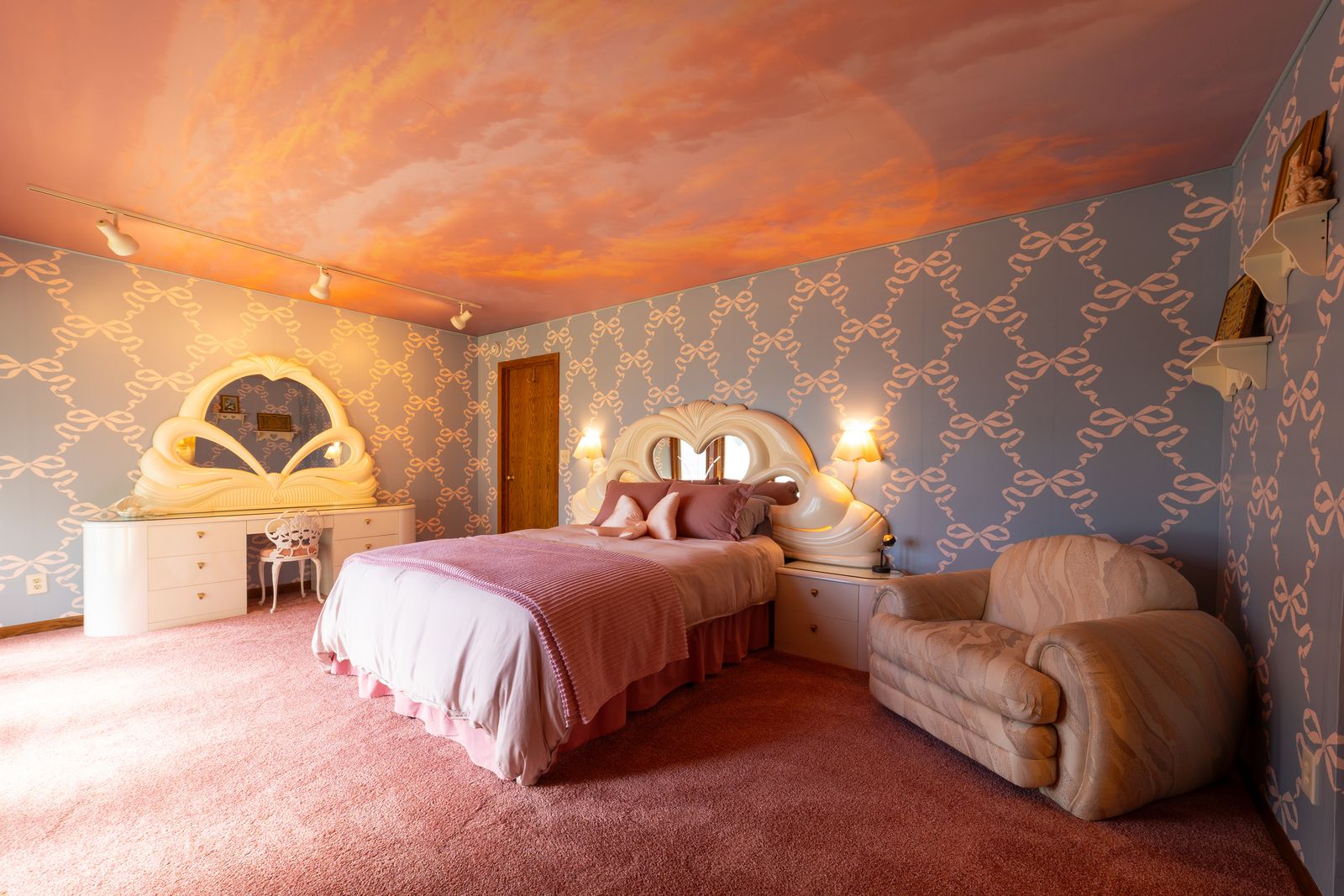
In 2019, Mitchell Bage and his partner Luis Santiago relocated from the Houston suburbs to Galveston Island off the Gulf Coast of Texas. As they renovated their 1800s Queen Anne Victorian home, the property’s separate guest cottage started to seem like an apt candidate for short-term rentals. Bage and Santiago, co-owners of staging and interior design studio Maison de Campagne, were no strangers to crafting elevated short-term stays nor its inherent stresses when they got keys to the aged property—Mitchell had already designed many.
Sooner or later, every short-term rental owner discovers that filling your rental with adventurous decor comes at a cost—pieces can be broken, stained, or otherwise rendered unusable overnight. Nobody wants to compromise aesthetics and fall victim to stereotypical Airbnb designs, but it’s clear how that typology emerged in the first place. Standing out in the market with high design or a distinctive point of view often requires putting objets d’art at risk, but this tension is just another occupational hazard. "Not every guest considers or knows an item to be bespoke or high value, therefore it must be a calculated risk the property owner is willing to take on," Bage says. "A good rule of thumb is that if it makes you uneasy just thinking about hands touching it, it shouldn’t be utilized."
With enough ingenuity, however, this tension can also inspire a wealth of novel interior design solutions—not just headaches. To get started, think like a hotelier. "A property owner needs to approach the hospitality sector with a business mindset," Bage adds. "It allowed us to fully understand the hospitality industry, which allowed our company great insight into what works and doesn’t work for heavy guest use and satisfaction."
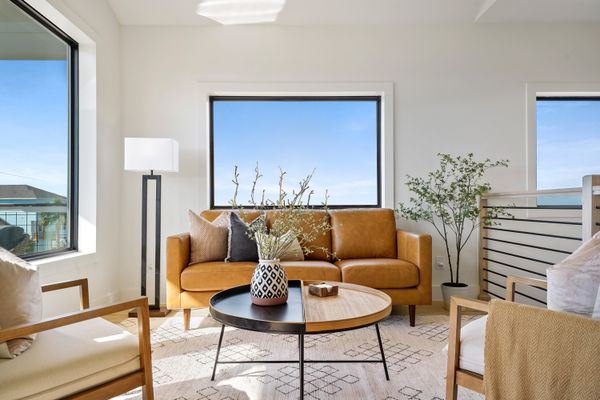
Hospitality-grade furnishings were chosen for one of Maison de Campagne’s properties in Galveston, Texas.
Photo courtesy Mitchell Bage and Luis Santiago
Choose your furnishings wisely
Comfort satisfies guests like longevity satisfies owners. Mitchell ensures both by designating hospitality-grade furnishings for the most heavily used areas of the home. Higher quality means higher prices, but when it comes to armchairs, sofas, dining tables, and beds, cheaper imitations won’t cut it. "While these may be gorgeous products, their wear from guests may leave them prematurely damaged," Bage says. No matter how fancy a sofa looks, a posh facade always falls away if it’s cheaply made. Better to fork over extra cash the first time around if aesthetics are a priority for you.
Avoiding overly bougie accoutrements altogether could be a strong suit, too. While recently transforming a modern white box on Long Island’s North Fork into a cozy retreat by the sea, Hines Collective’s design of the rental property dovetailed practicality and authenticity. "It's not a mansion on the waterfront and we did not want it to feel that way," says Hines Collective design director Kerry Offsey. "It was more fun to play around with how far we can push high design on a budget that’s super durable."
To evoke a sense of place, the Hines Collective team sourced home goods from local shops while select vintage finds were picked up at nearby estate sales to further imbue character. Wallpaper, custom seating, and reupholstered pillows layer in distinctive touches amid a harmony of high and low as well. "I was very adamant that not everything was going to come from Lulu and Georgia," she says. "There’s some Crate & Barrel in there."
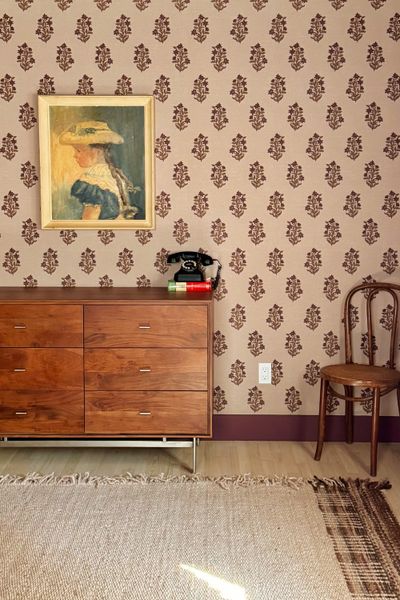
Vintage details blend in alongside newer pieces, like a washable rug, at Hines Collective’s retreat by the sea in North Fork, Long Island.
Photo courtesy Hines Collective
Don’t forget your flooring
Hines Collective also opted for affordable washable area rugs to stave off wear underfoot. At Sweetheart Hideaway, the woodland St. Joseph, Michigan, retreat Margaret Bienert co-owns with her husband Corey, a basket of house slippers is at the ready for her guests to keep during and after their stay. Her keepsakes read like a cozy amenity to guests, but they also finagle more mileage from the vintage charm she’s curated by inspiring tidier behavior as well. "If people are all wearing their shoes in the house, we’re going to be replacing carpets a lot sooner," she says.
Bienert picked up thoughtful hospitality hacks like this from years on the road documenting quirky and unique sojourns with her husband as @APrettyCoolHotelTour on social media. When it came to sourcing quality design objects, Bienert picked up even more from these beloved hotels. "I would ask if they had anything they were getting rid of or if they were getting rid of old brochures or postcards just so I could start kind of building this mini museum of my own," she says. "Until I had a house, it wasn’t very easy to just say, ‘Oh, I’ll take that dining set or tub.’"
The dream of her very own heart-shaped bathtub was realized once renovations wrapped on Sweetheart Hideaway, which oozes kitschy flair inspired by their travels. "The passion came from these weird, quirky places that are somewhat of a headache to maintain," she says. "I knew it would go away if suddenly I was like, ‘Well, what’s the cheapest option?’"
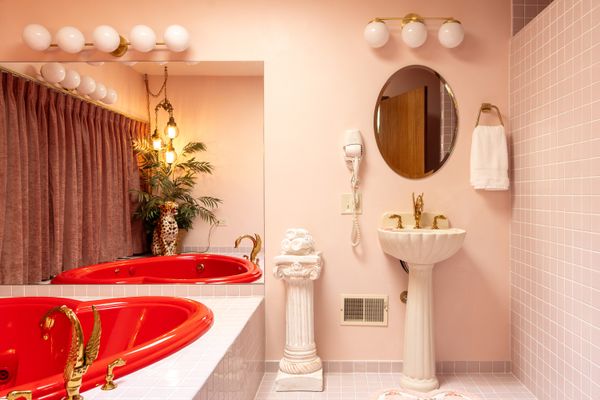
The Sweetheart Hideaway in St. Joseph, Michigan, is all-in on kitsch, but towels from Quince keep things comfortable for guests and not too expensive for the Bienerts.
Photo by Margaret Bienert
See the full story on Dwell.com: Is Good Design in a Vacation Rental Possible?
Related stories: