Micro-Ecosystems: South Korea's Answer to High-Density Mixed-Use Living
With over 80% of its population living in urban centers and a national density exceeding 500 people per square kilometer — soaring to over 15,000 in Seoul — South Korea faces intense competition for usable land. In response, contemporary Korean architecture offers compelling examples of mixed-use interventions that negotiate tight urban lots to blend public engagement with high-efficiency utility. By vertically stacking distinct programs, integrating public art centers, corporate headquarters, and commercial hubs alongside residential and other functions, these multi-layered developments transform spatial constraints into dynamic urban interfaces.
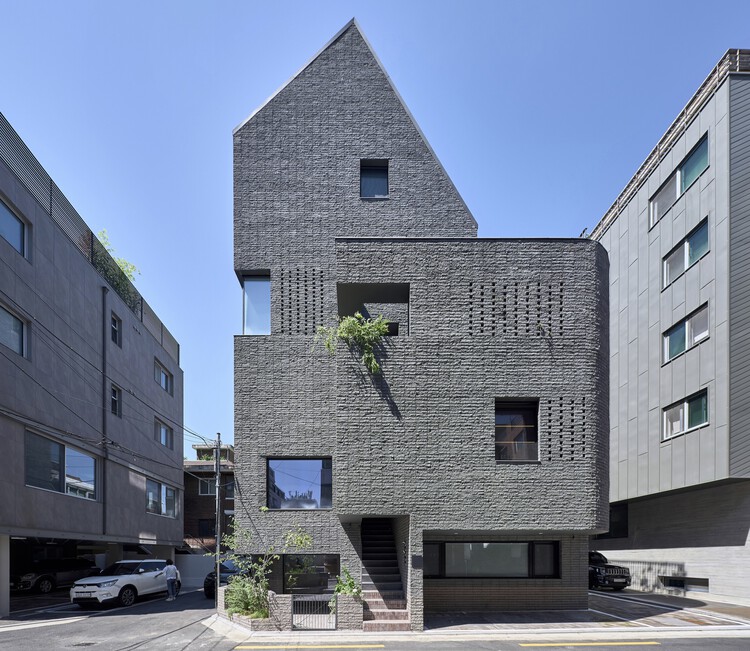
With over 80% of its population living in urban centers and a national density exceeding 500 people per square kilometer — soaring to over 15,000 in Seoul — South Korea faces intense competition for usable land. In response, contemporary Korean architecture offers compelling examples of mixed-use interventions that negotiate tight urban lots to blend public engagement with high-efficiency utility. By vertically stacking distinct programs, integrating public art centers, corporate headquarters, and commercial hubs alongside residential and other functions, these multi-layered developments transform spatial constraints into dynamic urban interfaces.