Mortgage Rates Have Been Much Higher Than They Are Now
They hit a staggering 18 percent in the early ’80s, but recent headlines would have you believe it’s about as bad as it gets—and it might be.
They hit a staggering 18 percent in the early ’80s, but recent headlines would have you believe it’s about as bad as it gets—and it might be.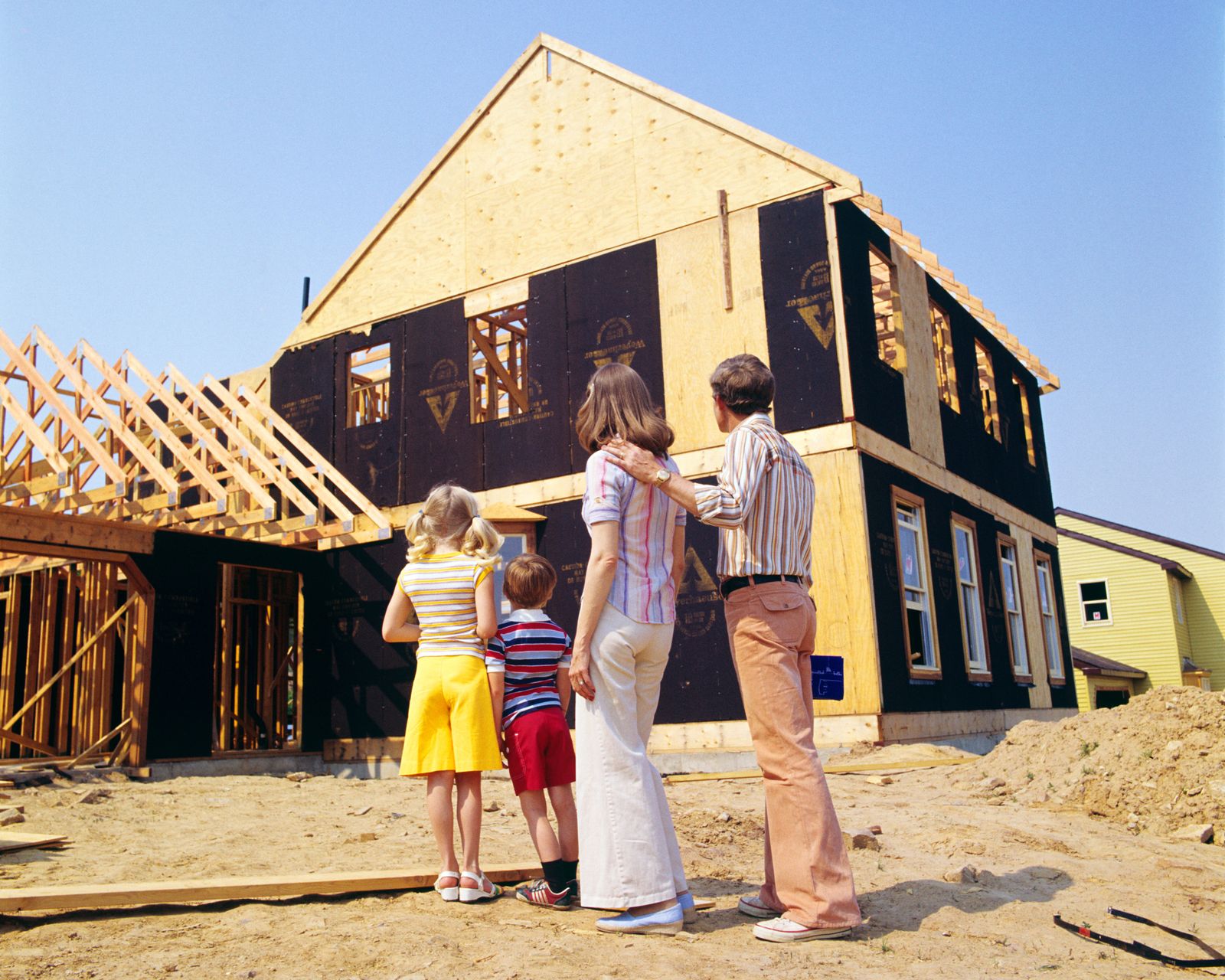
We’re all sitting here watching lines. Some lines, like the S&P or NASDAQ, go up and it’s a party. But inflation rates, national debt, and homelessness rates have captured our "line go up = bad" attention. Over the last five years we’ve watched the line charting mortgage rates go up, up, up, from the pandemic’s rock bottom 2.65 percent to the recent news that we’ve topped out at more than 7.4 percent. Today, a jumble of major headlines are forming a national narrative that the costs of housing, not to mention food and healthcare—the basic stuff of living—have become untenable.
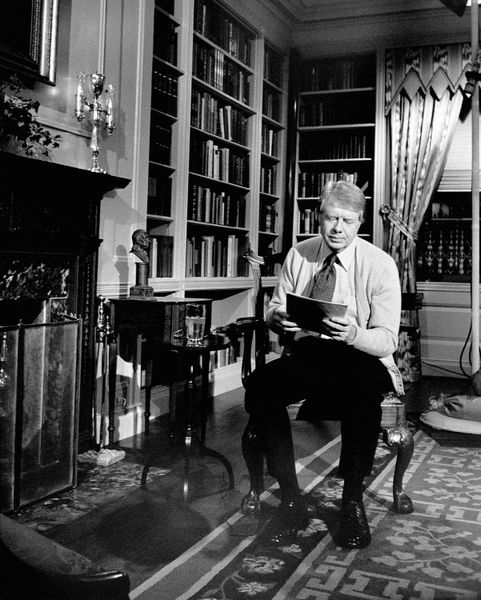
Of course, as many baby boomers might like you to know, we’ve been here before. "Stagflation" defined the ’70s, characterized by rising unemployment, poor economic growth, and high inflation. While the term explained the era’s broader economic experience, Americans generally felt the pinch at the pump: Headlines from that decade emphasized long lines to refuel cars, and gas station owners selectively choosing who gets a full tank. Fuel-efficient Japanese cars began to replace American gas-guzzlers. On the home front, President Jimmy Carter famously donned a cardigan for his first and only "fireside chat" to address the nation in an effort to encourage Americans to conserve energy (turning thermostats to 55 degrees at night!) while heating prices skyrocketed.
But on the financing side, 30-year fixed mortgage rates were not outrageous by the decade’s standards, beginning at 7.3 percent in 1971—roughly where we are now—and steadily climbing, peaking at 10 percent in 1974. It didn’t deter Americans from buying homes, though, and even as inflation grew, they were increasingly seen as a safe investment. The number of baby boomers aging into their prime homebuying years (20 to 34) surged beginning in 1970 and climbed through the late ’80s, per the National Housing Conference; in response, homebuilders added more than 20 million new homes—a 29-percent increase between 1970 and 1980. By the end of the ’70s, 60 percent of baby boomers owned a home.
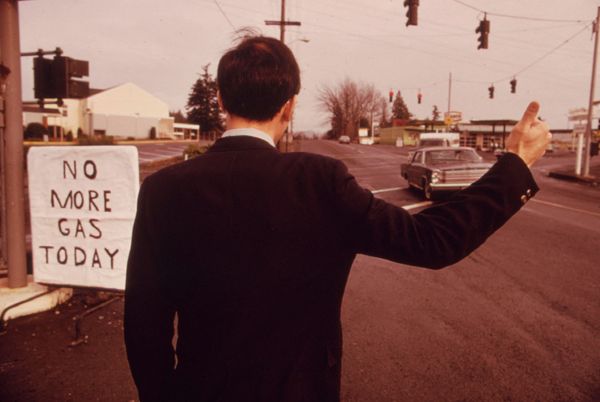
A businessman in Beaverton, Oregon, hitchhikes due to high gas prices in 1973.
Photo by Smith Collection/Gado Images via Alamy
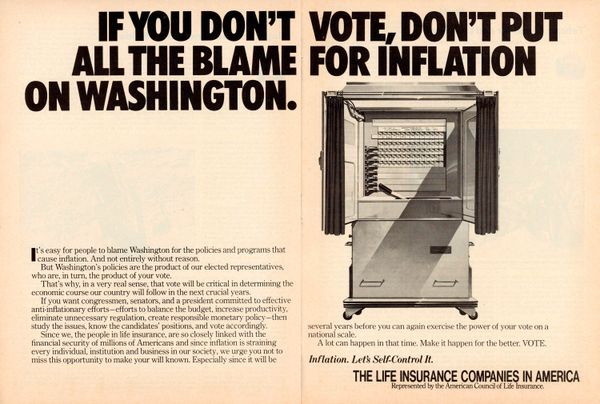
A political ad in an October issue of Time magazine puts the impetus for inflation back on voters.
Photo by Patti McConville via Alamy
See the full story on Dwell.com: Mortgage Rates Have Been Much Higher Than They Are Now
Related stories: