Why You Should Care About Siding as a Material Choice
With extra-thick boards, durable fiber cement construction, deep shadow lines, and crisp mitered corners, Hardie® Artisan® Siding turns a familiar facade into an architectural star.
With extra-thick boards, durable fiber cement construction, deep shadow lines, and crisp mitered corners, Hardie® Artisan® Siding turns a familiar facade into an architectural star.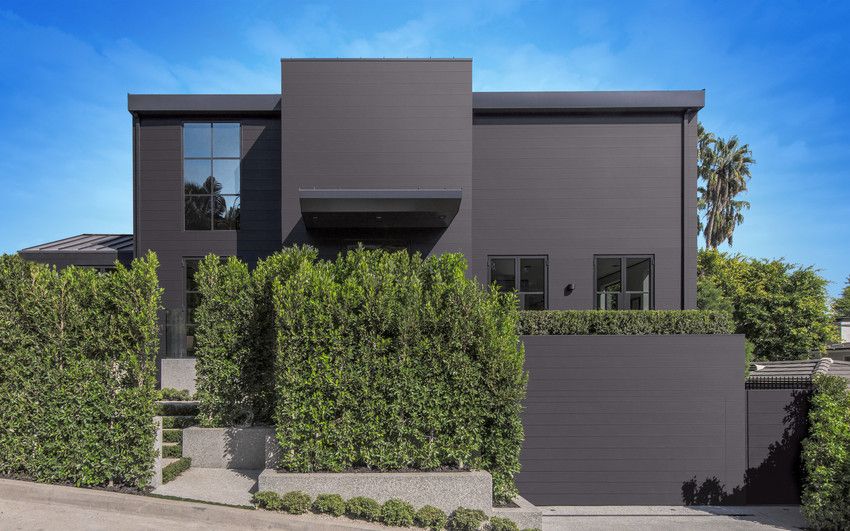
Siding has often been treated as a utilitarian wrapper when it comes to a home’s exterior, but it has the potential to have a major impact on elevating a project, from the rhythm of the boards to the depth of a reveal or the way a corner is detailed. Hardie® Artisan® Siding, a premium fiber cement siding collection by James Hardie™, is designed with these details in mind, treating siding as a distinctive aspect of the architectural vision rather than simply a layer of cladding.

Hardie® Artisan® Siding creates a striking streamlined silhouette.
Courtesy James Hardie
The defining feature of Hardie Artisan Siding is surprisingly simple: extra-thick boards. Each board—which offers the aesthetic of traditional wood siding with much lower maintenance—is five-eighths of an inch thick, creating a substantial profile that produces deep, crisp shadow lines across a facade. As the sun moves throughout the day, shadows sharpen and soften to give the exterior an ever-changing sense of depth.
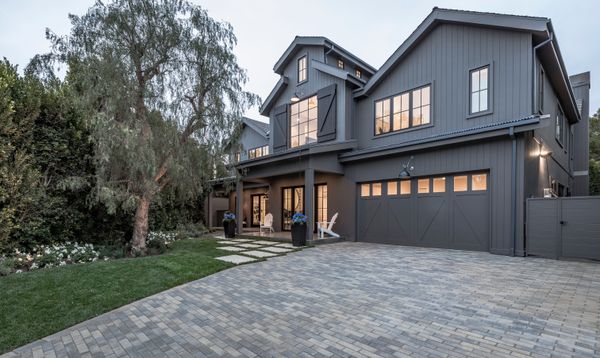
Hardie® Artisan® Siding boards are delivered to site smooth and primed for paint, allowing rich colors to further define a home’s gabled volumes.
Courtesy James Hardie
That thickness also changes how corners can be resolved. Instead of relying on an applied corner trim that adds unwanted visual noise, Hardie Artisan Siding is thick enough to be mitered on site. This allows the boards to wrap cleanly around the built form to create a continuous architectural expression.
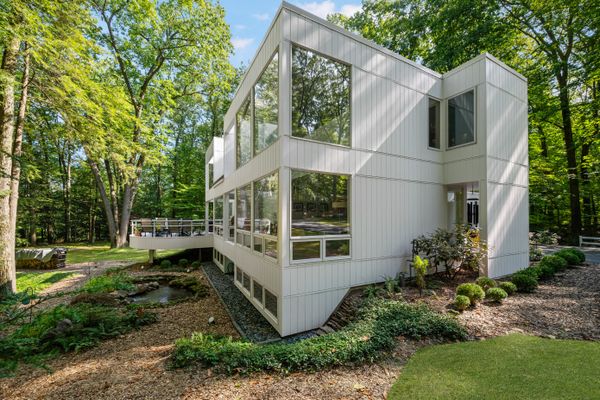
A light palette and V-Groove profile turn joints into graphic shadow lines.
Courtesy James Hardie
See the full story on Dwell.com: Why You Should Care About Siding as a Material Choice
Related stories:



TomHarris.jpg?1622829299#)