
A Small Town Thwarts Amazon’s Drone Plans—and Everything Else You Need to Know About This Week
The face of suburbia is changing for the better, public transit has the hottest merch in America, and more.
The face of suburbia is changing for the better, public transit has the hottest merch in America, and more.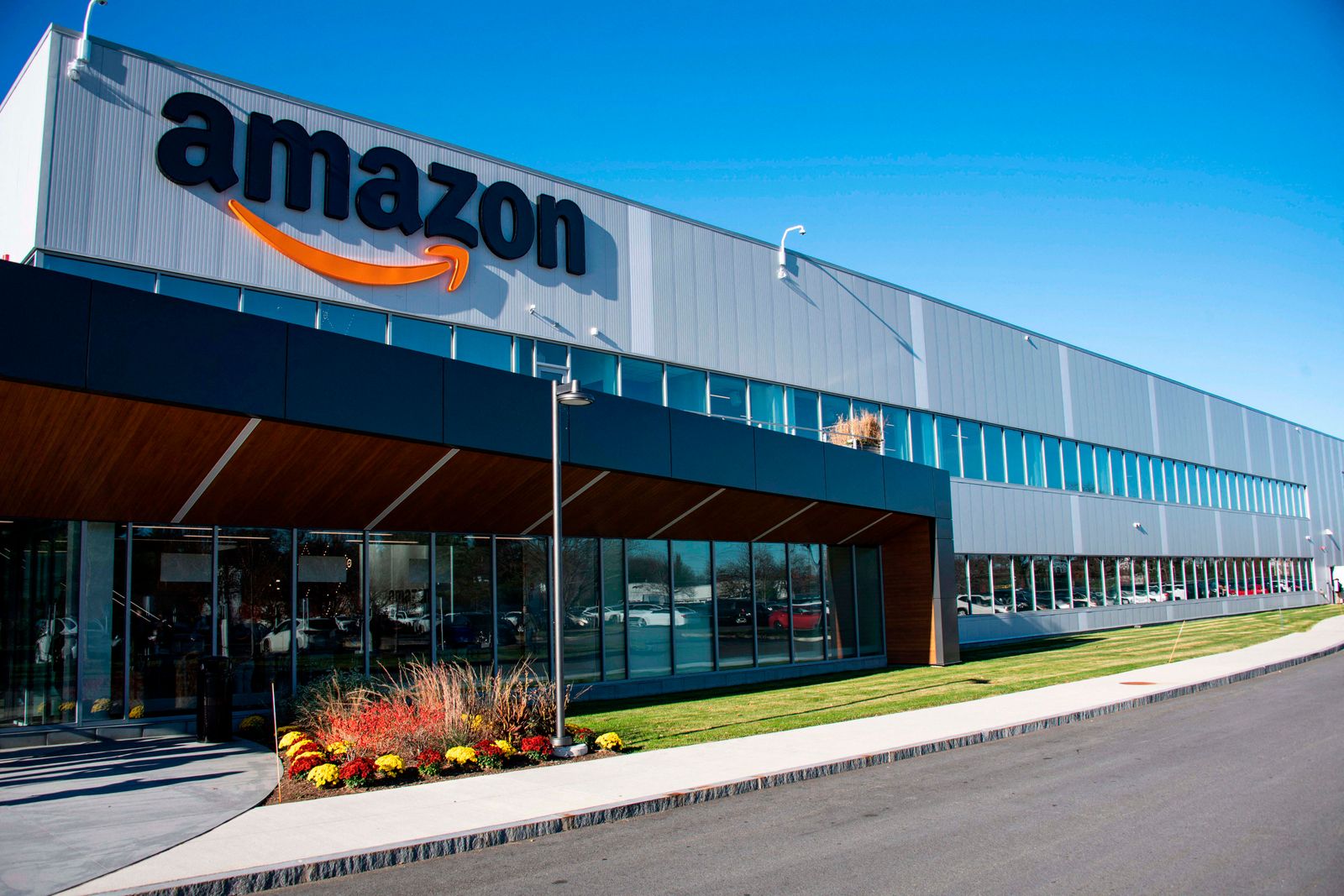
- At 95, Philadelphia’s 30th Street Station is getting a little work done. SOM and Gilbane have wrapped the first phase of the Beaux-Arts landmark’s biggest restoration since 1991, preserving its historic finishes while reopening the south concourse with a new food hall and shops. And that’s just the station. A $10 billion master plan for the transit hub and its surrounding district envisions 18 million square feet of new development and 40 acres of public space. (The Architect’s Newspaper)
- A Massachusetts town of 23,000 just held the line against Big Tech. When Amazon proposed turning part of its Westborough warehouse into a drone hub, residents balked at the prospect of 83-pound flying delivery machines buzzing over their backyards to drop five-pound parcels from 13 feet in the air. Even though the FAA had already cleared the site for up to 1,000 flights a day, two residents filed a last-minute appeal and rallied the town behind a bylaw restricting drone operations, which passed 510–13. Amazon withdrew its application, though it could still return. For now, the people of Westborough—and the technopoly resistance—will take it as a win. (The New York Times)
- Has America finally found a better use for space than parking lots? Across the country, communities are rethinking the familiar landscape of American suburbia—big-box stores, strip malls, and McMansions—transforming dead space and acres of asphalt into walkable neighborhoods with denser housing, shops, schools, and parks. A former mall in Austin is now a mixed-use district, while a golf course near Charlotte made way for, among other things, a park designed to mitigate flood risk. The motives are often more economic than environmental: these so-called "suburban retrofits" can help address housing shortages and generate much-needed tax revenue. (Yale Climate Connections)
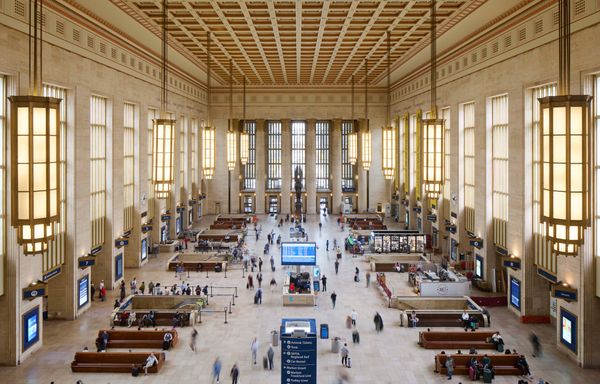
The 30th Street Station in Philadelphia
Lucas Blair Simpson © SOM
- Turns out the MTA has a tile guy. And just the one. From his studio 250 miles north of New York City, 73-year-old former art teacher Robert Shenfeld and his mostly part-time crew of artists painstakingly recreate the century-old mosaic signs that adorn subway stations across the city. His team has restored mosaics at 50 stations, sometimes working with tiles no bigger than postage stamps. Matching the 60 colors in Borough Hall’s recent restoration alone required more than 300 tests and two years of work. It’s understandable, then, that when the station reopened, a temporary poster stood in for the real thing. Would the MTA prefer Shenfeld meet its deadlines? Sure. But with no other supplier to turn to, it doesn’t have much leverage. Besides, you can’t rush art. (Gothamist)
- Forget your college sweatshirt. The new thing to rep is your local transit system. From L.A. Metro "Bus Baddie" tees to NYC Ferry branded "The People’s Yacht" caps, transit agencies are pulling off an unlikely fashion coup. While transit graphics have long had design cred (see Massimo Vignelli’s 1972 New York subway map in MoMA) the current obsession goes beyond clever branding. In a lonely, expensive era, city dwellers see their transit system as something like a hometown team, and riding the same line starts to feel like belonging. See what else is making the leap from wayfinding to wardrobe. (The Atlantic)
Top photo courtesy Joseph Prezioso/AFP via Getty Images