Building with Earth: Traditional Knowledge in Contemporary Architecture
In recent years, earthen construction has gained renewed attention in architecture. Materials such as adobe, rammed earth, and compressed earth blocks, once mainly associated with vernacular traditions, are increasingly being explored by contemporary architects. Rather than representing a simple return to the past, this renewed interest reflects a broader reconsideration of how architecture engages with materials, local resources, and environmental conditions.
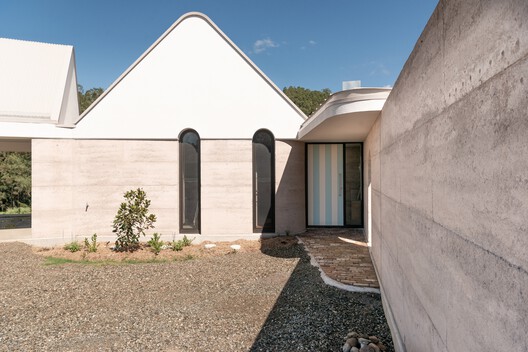
 Earth by the River Residence / Luigi Rosselli Architects. Image © Piers Haskard
In recent years, earthen construction has gained renewed attention in architecture. Materials such as adobe, rammed earth, and compressed earth blocks, once mainly associated with vernacular traditions, are increasingly being explored by contemporary architects. Rather than representing a simple return to the past, this renewed interest reflects a broader reconsideration of how architecture engages with materials, local resources, and environmental conditions.
For centuries, building with earth was part of everyday construction across many regions of the world. Techniques such as adobe, rammed earth, cob, and other soil-based systems developed gradually through adaptation to climate, available resources, and local construction practices. These methods responded directly to environmental conditions while shaping cultural ways of building. This knowledge circulated through collective practices rather than formal architectural education, allowing techniques to evolve through continuous experimentation.