Engineered Waterways: What Architecture Can Learn from Urban Canals
Unlike open coastlines or the edges of natural bodies of water, urban canals are narrow, linear, engineered landscapes that cut decisively through the urban fabric. Where rivers follow the contours of a landscape and shape the landform, canals impose their geometry and logic, redefining the relationship between architecture and water. Their edges are clearly defined, often shaped by retaining walls, embankments, and the infrastructure that supports movement along and across the water. Bridges, pedestrian walkways, mooring points, and docks establish a distinctive relationship between the waterway and its context, creating an urban environment where the boundaries between water and architecture are realized.
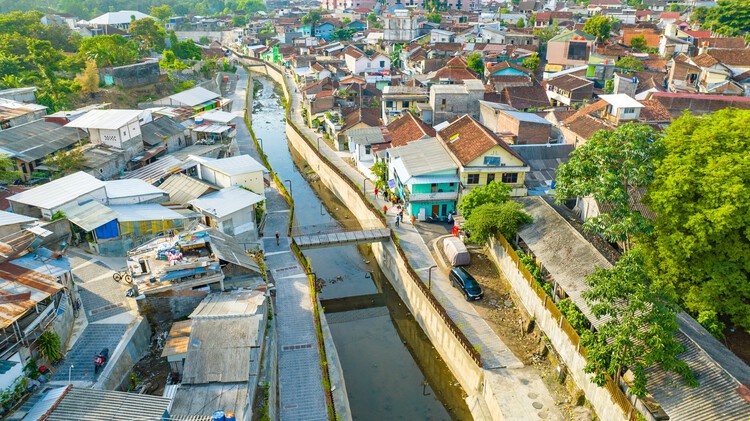
Unlike open coastlines or the edges of natural bodies of water, urban canals are narrow, linear, engineered landscapes that cut decisively through the urban fabric. Where rivers follow the contours of a landscape and shape the landform, canals impose their geometry and logic, redefining the relationship between architecture and water. Their edges are clearly defined, often shaped by retaining walls, embankments, and the infrastructure that supports movement along and across the water. Bridges, pedestrian walkways, mooring points, and docks establish a distinctive relationship between the waterway and its context, creating an urban environment where the boundaries between water and architecture are realized.