From Passages to Shared Spaces: The Social Life of Circulation
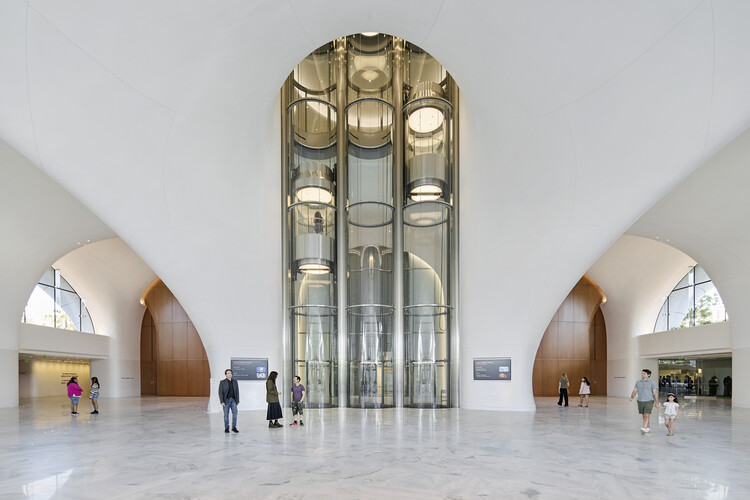
Most people rarely remember a passage. They remember the classroom, the apartment, the gallery, or the plaza at the end of it. Passages are usually designed to disappear into the background, guiding movement from one destination to the next. Yet some of architecture's most memorable experiences happen while moving through a place rather than arriving at it.
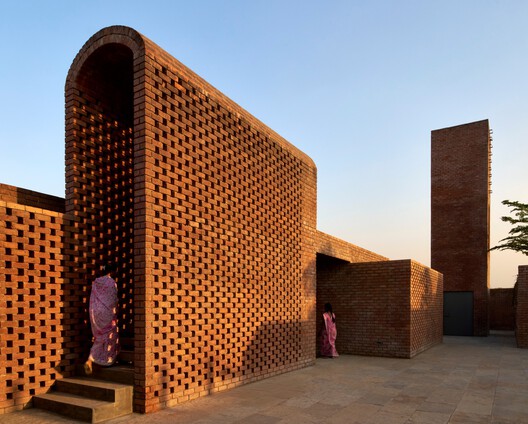
 The STREET / Studio VDGA. Image © Edmund Sumner
Most people rarely remember a passage. They remember the classroom, the apartment, the gallery, or the plaza at the end of it. Passages are usually designed to disappear into the background, guiding movement from one destination to the next. Yet some of architecture's most memorable experiences happen while moving through a place rather than arriving at it.
Circulation is often treated as one of architecture's most practical elements. Corridors connect rooms, galleries provide access, and walkways organize movement through a building. Their purpose seems straightforward: to help people get from one point to another. Because of this, circulation spaces have long been considered secondary to the programs they serve. Attention tends to focus on destinations, while the spaces in between remain largely unnoticed.