Promenade Architecturale: How the Modern Concept Still Inspires Contemporary Architecture
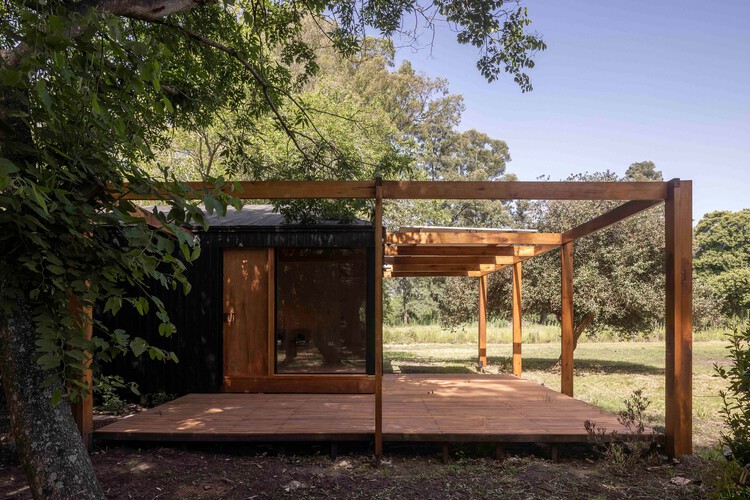
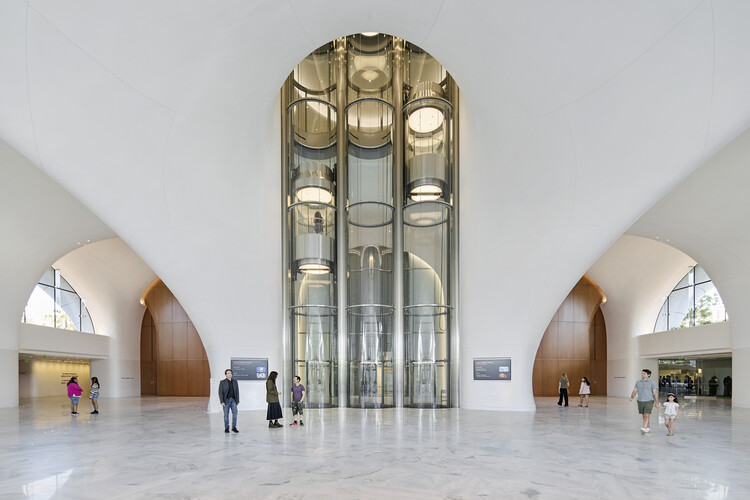
In modern architecture, the promenade architecturale stood out as an essential design strategy to realize the principles of functionality, aesthetics, and integration with the urban context. Iconic projects by Le Corbusier, such as Villa Savoye (1929), illustrate this concept by guiding the visitor along an upward path that culminates in the contemplation of the roof garden, an open space where the building dialogues harmoniously with nature. A century later, the concept continues to influence contemporary projects, exploring the relationship between movement and space across various architectural typologies such as houses, museums, libraries, and parks.

In modern architecture, the promenade architecturale stood out as an essential design strategy to realize the principles of functionality, aesthetics, and integration with the urban context. Iconic projects by Le Corbusier, such as Villa Savoye (1929), illustrate this concept by guiding the visitor along an upward path that culminates in the contemplation of the roof garden, an open space where the building dialogues harmoniously with nature. A century later, the concept continues to influence contemporary projects, exploring the relationship between movement and space across various architectural typologies such as houses, museums, libraries, and parks.