The Future of Biophilic Design Is More Responsive Than Ever
CLiC smart glass brings new flexibility to biophilic design by preserving natural light and a sense of openness throughout the home.
CLiC smart glass brings new flexibility to biophilic design by preserving natural light and a sense of openness throughout the home.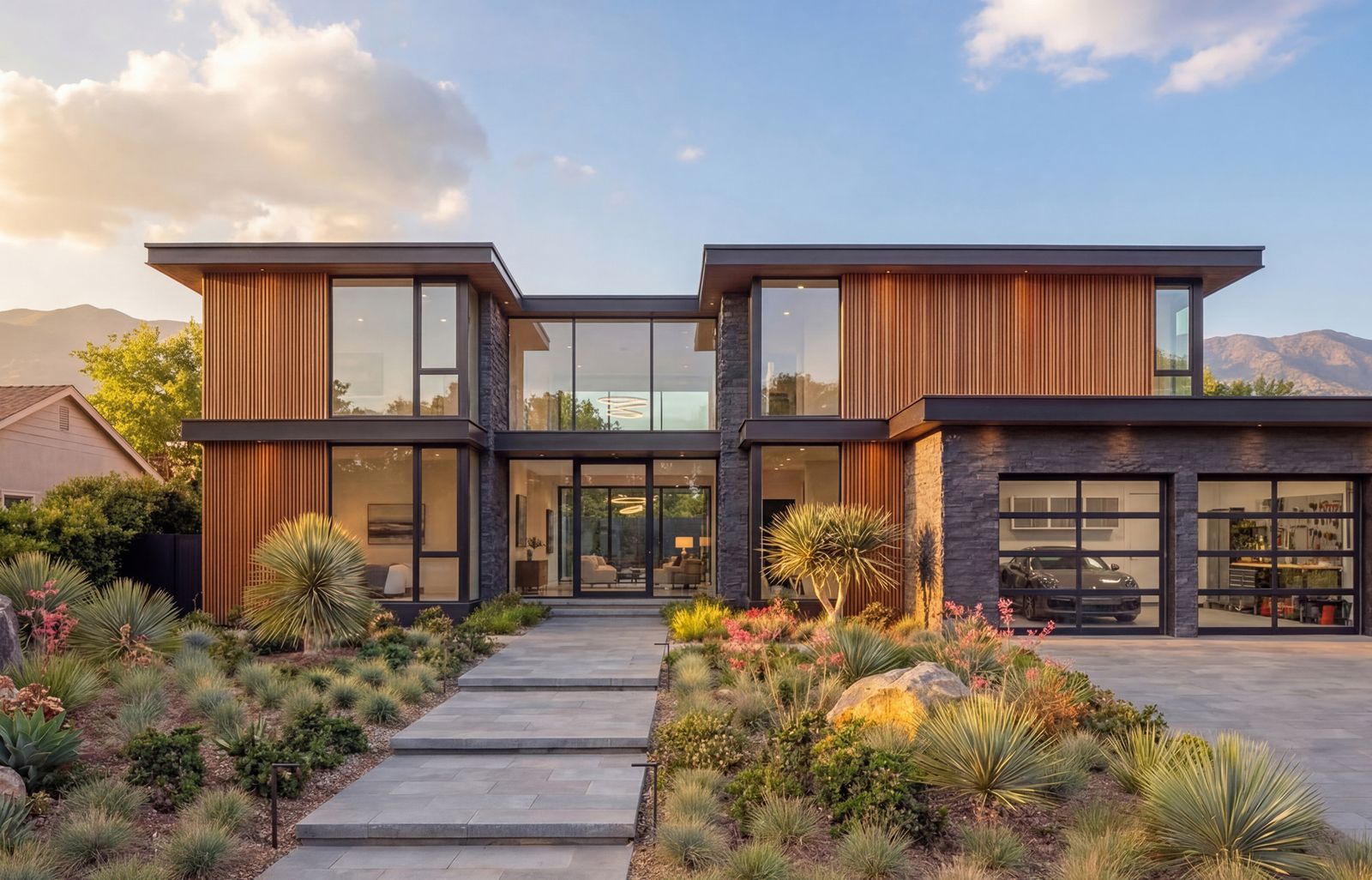
Biophilic design is often associated with its most visible elements: indoor plants, natural materials, organic forms, and colors drawn from the landscape. But its deeper purpose is to strengthen the relationship between the home and the natural world around it.
That relationship can be felt in the movement of daylight across a room, the shifting colors of a view, or the ability to notice a change in the weather without stepping outside. These moments give a home a sense of rhythm, keeping interiors connected to the time of day and the seasons beyond their walls.
And that rhythm can help reinforce our own. Daylight is one of the primary cues that help regulate the body’s circadian rhythm, shaping patterns of alertness and rest across the day, while views of nature can help improve mood. In the home, those benefits can be surprisingly subtle: a brighter morning, a moment of visual relief during the workday, or the sense of calm that comes from watching light and weather change in real time.
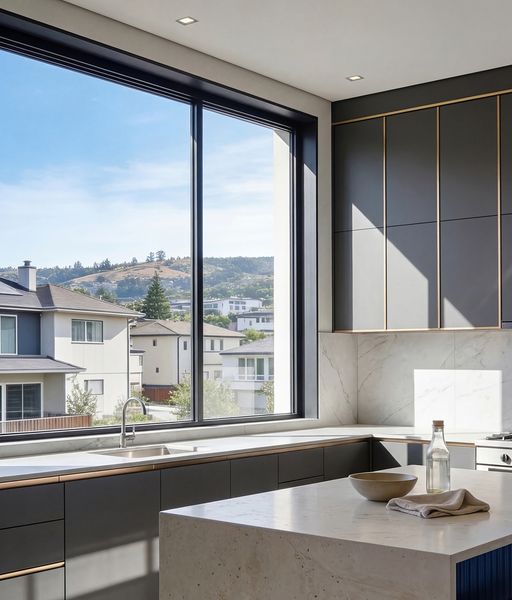
In clear mode, CLiC brings the surrounding landscape into the kitchen, and the natural light adds dimension to this home’s stone and dark cabinetry.
Courtesy of CLiC
As a result, windows naturally play a central role in biophilic design. Expansive glazing can dissolve the visual boundary between indoors and out, framing gardens, wooded landscapes, city skylines, and water views as part of the living environment. It also brings daylight deeper into the floor plan, making rooms feel brighter and more spacious throughout the home.
The larger areas of glass, however, create their own set of design challenges. After sunset, the same windows that create a strong connection to the outdoors during the day can leave an illuminated interior feeling unexpectedly exposed. That’s why CLiC smart glass approaches the relationship between openness and seclusion differently. Integrated directly into windows and doors, the glass shifts from transparent to private in milliseconds, allowing the architecture to respond to how a room is being used at any given moment.
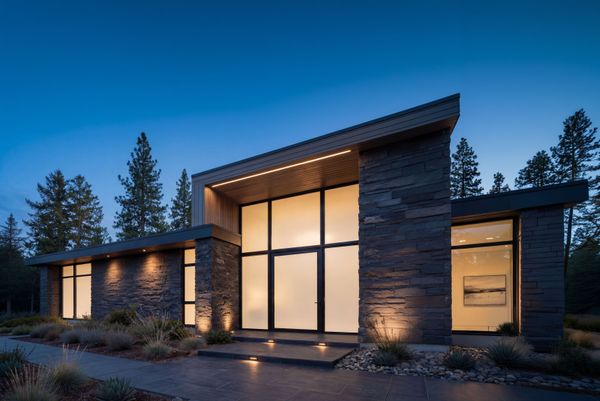
CLiC’s laminated construction is engineered for resilience, allowing large areas of glass to remain both visually refined and ready for changing weather.
Courtesy of CLiC
In clear mode, CLiC offers the visual clarity of premium architectural glass, without the haze, distortion, or tint often associated with earlier iterations. Views remain open and natural light moves freely throughout the space, allowing the landscape to remain a defining part of the interior. When privacy mode is activated, advanced liquid crystal technology changes the way incoming light moves through the glass. Visibility is obscured, but daylight continues to enter as soft, diffused illumination. Instead of becoming dark or closed off, the room retains an ambient glow.
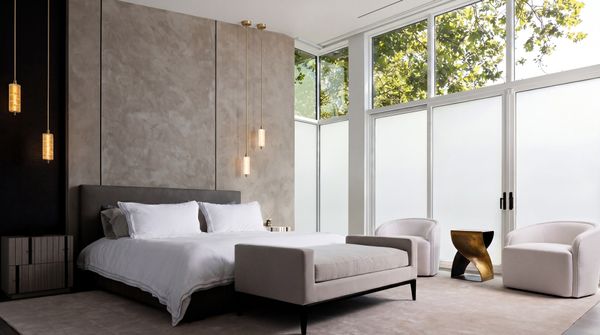
Privacy and openness coexist within the same window wall with CLiC, keeping the bedroom intimate, but never enclosed.
Courtesy of CLiC
See the full story on Dwell.com: The Future of Biophilic Design Is More Responsive Than Ever
Related stories: