They May Be Divisive, But I’m Never Getting Rid of My Stone Bath Mat
Haters say they don’t live up to their marketing claims, but in seven years of use, my diatomaceous earth mat has remained superior to its cloth counterparts.
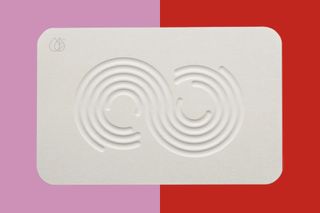
Haters say they don’t live up to their marketing claims, but in seven years of use, my diatomaceous earth mat has remained superior to its cloth counterparts.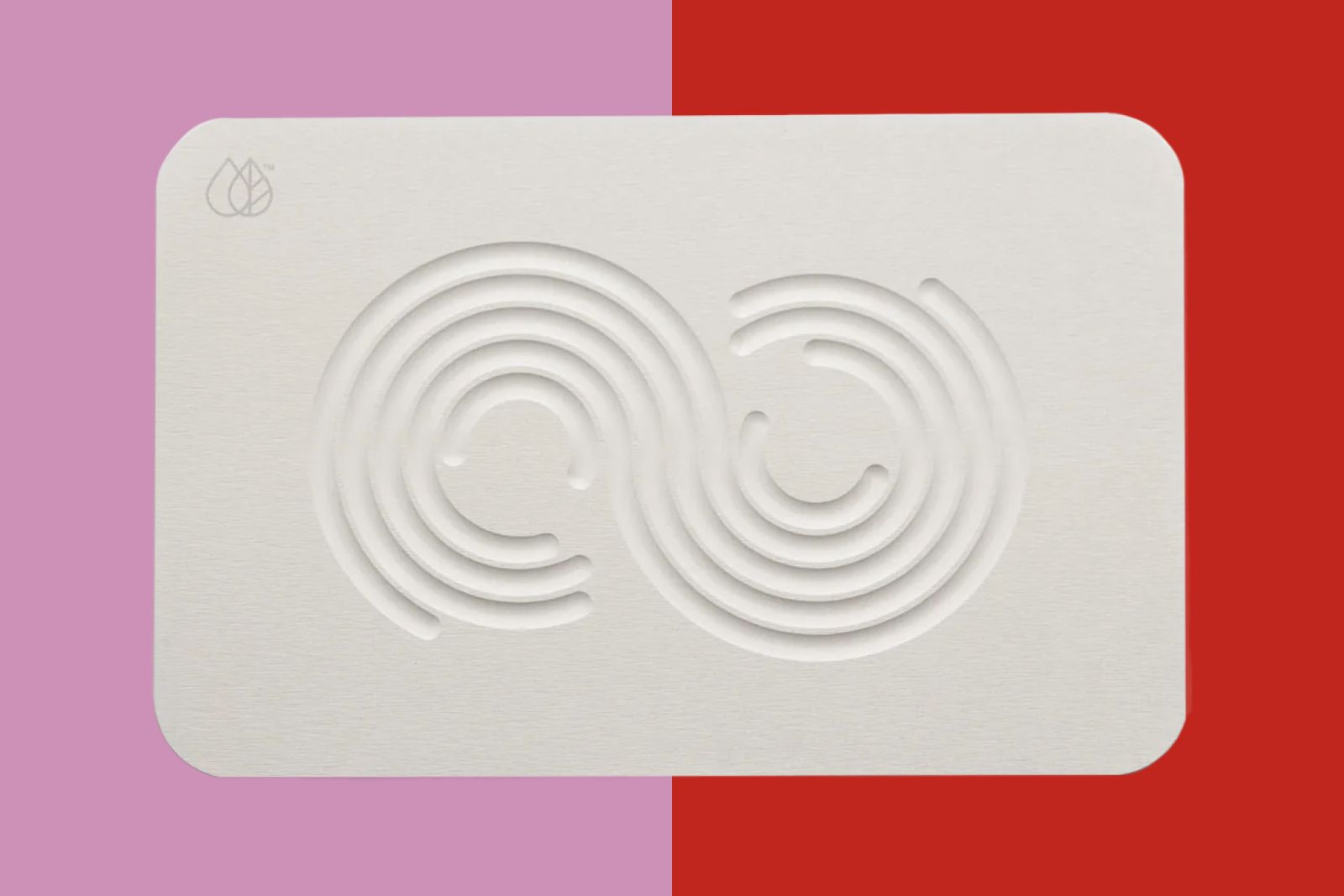
One of the lasting influences that my former roommate, Liz, has on me stems from her refusal to deal with a regular bath mat. Soggy, mildewy bath mats grossed her out—and they have always grossed me out too, but I had never considered an alternative. In 2009, when we lived together, we used a bamboo shower mat.
Long after Liz moved away, and many roommates later, I still had the wooden mat. It wasn’t perfect, considering that water would still pool under the slats, but it was a lot better than throwing away and repurchasing crappy textile mats that would never seem to get clean.
About a decade later, while I was in a friend’s bathroom, I noticed a different kind of bath mat, made of a slab of thin stone called diatomaceous earth. It was from a brand called Dorai, a company that my friend had known about through her job at Kickstarter when the founders of Dorai had used the crowdsourcing fundraising platform to bring their diatomaceous earth products to market in 2019.
Dorai Bath Stone™ Mat
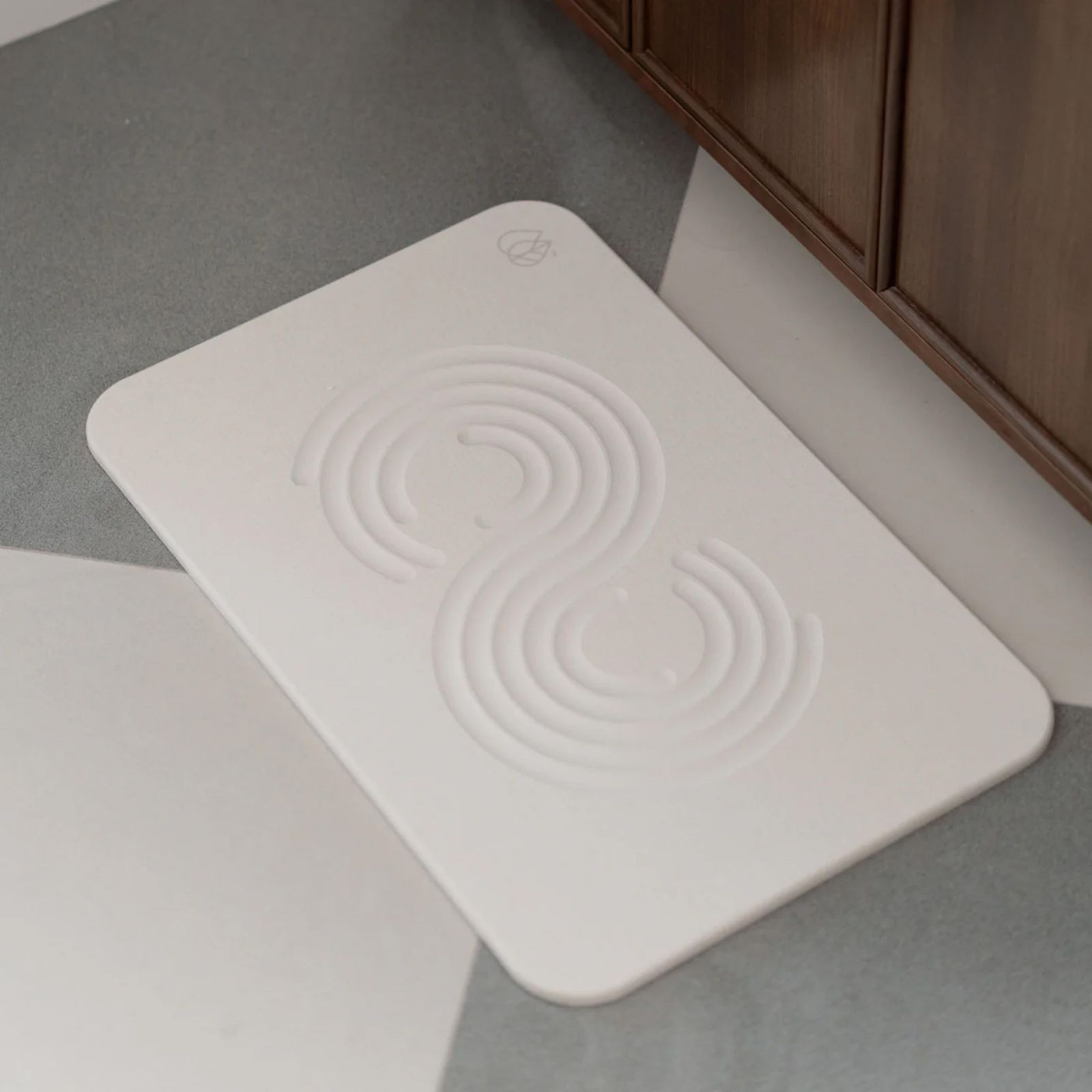
Unlike traditional bath mats that absorb moisture and generate bacteria, the Bath Stone™ Mat is designed to quickly remove water, actually helping prevent mold.
Diatomaceous earth is a firm but subtly porous, quick-drying material made from microscopic algae called diatoms that had been fossilized. When I sprinkled water on the mat, the droplets absorbed and disappeared into the stone immediately, as if never there to begin with. I bought my first stone bath mat not long after, and it effectively changed my life. I went ahead and bought a Dorai dish rack, which is built atop a stone drying mat, too.
I’m personally obsessed with the stone bath mat, but I know it has its haters or skeptics. A common (and rather alarming) complaint, as I’ve read on Reddit and heard through other online chatter, is that it actually doesn’t do what it’s supposed to, which is to dry in seconds and remain antimicrobial. Turns out, this stone is only effective in non-humid climates or in regions where there’s some dryness in the air. New York City, where I live, may now be considered subtropic but there’s enough variation in temps and dew points throughout the year that the stone bath mat isn’t often dank. I gather that the quick-drying stone isn’t designed to handle intense amounts of water—I don’t expect to see this material at a spa or public pool, for example—but it suits my needs.
While I’ve never had an issue with my stone bath mat, I’ve had to replace my stone dish rack, which got moldy after a few years. I first chalked up to the spots appearing on the slab to normal food-drying drippage, only to flip the stone over one day and saw that black mold had quickly spread underneath. Barf. Instead, I bought another (expensive) Dorai dish rack—now, with a slightly updated design—and vowed to be more careful about pouring out all excess water from my dishes before setting them to dry.
The dish rack mold was inevitable, and it was entirely my bad, considering how often it got soaking wet, and in my kitchen, which is always sort of steamy, sticky, and greasy. Every other month or so, and after my dishes have been cleared away, I’ll give the stone a quick rinse to wash off any crumbs or dust. And then I’ll watch it dry immediately before I place it back beneath the rack. So far, so good. Therein lies the beauty of these products: they truly require so little upkeep and maintenance.
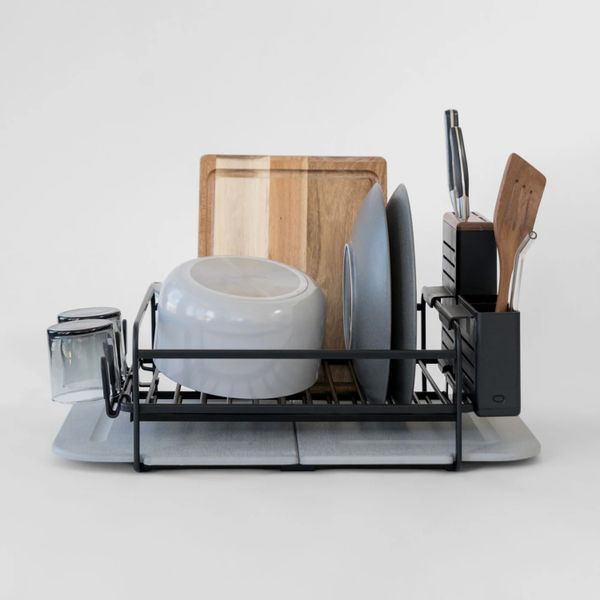
The dish rack requires slightly more upkeep than the bath mat, but I still find it to be a better solution than drying mats made from other materials.
Courtesy of the brand
The bath mat, unsurprisingly, tends to get dirtier since it lives on the floor. I have a no shoes policy in my apartment, but occasionally I’ll have the random guest who forgets and leaves an annoying footprint on the mat with the sole of their shoes. I’ve also accidentally dropped beauty and skincare products on the mat before. Whenever a stubborn spot appears, whether from shoes or toiletries, I’ll take a piece of fine-grit sandpaper (which Dorai includes with every order) and sand the area until whatever dirt or stain scrubs off. Similar to the way I "clean" my dish rack stone, I’ll then give the mat a rinse under the running tub faucet and lean it on the wall so both sides can fully dry, within minutes, before I set it flat again atop a no-slip rubber pad.
Purely on a comfort level, what’s missing from the stone bath mat experience is the tender feeling of stepping onto a plush surface after a shower. But I had been so used to a hard bamboo mat prior to a stone mat that making the transition didn’t affect me at all. Plus, cloth bath mats all eventually flatten out and reach a point of no return—they hold onto so much moisture, dirt, dust, hair, and other schmutz that no number of cycles in the washing machine and dryer will bring back the once buoyant yarn loops.
Still, the one point I will give to the diatomaceous earth mat haters (other than its steep price point, at least at Dorai) is how incredibly vibeless it is. The colors are extremely limited and extremely boring. The current options, as of writing this, are light grey, medium grey, and dark grey. It’s a joyless tonal scheme, and recalls conversations around how muted the whole DTC aesthetic is. There are other brands making these stone products, of course (many of which are offered way cheaper too), but there’s hardly any variation in style. I look around at my designer friends, who release bath mats with eye-catching patterns or illustrations brimming with personality. My grey stone bath mat just blends into my grey bathroom tiles. That being said, my distaste for dampness certainly outweighs settling for cloth.
For now, until another diatomaceous earth-based home goods brand appears on the market offering a more playful lineup of products, I’m sticking to (and swearing my life on) my Dorai bath mats and dish rack. The brand’s products have given me hardly any headaches, so I find they’re worth the extra investment. Emerging from a shower and stepping onto a surface that captures my wet footprint for a mere second before it instantly vanishes is kind of magical, and it never gets old.
Related Reading:
Everything I Bought to Make My Boring Shower Feel Like a Spa
26 Products to Instantly Upgrade Your Bathroom for Less Than $100



.jpg?1611698485#)