This NY Designer Still Finds Inspiration in an Uncanny Object She Discovered in Her Parents’ Bakery
Irene Chung dishes on how a sassy little cake topper reminds her to embrace the beauty of tension in her work.
Irene Chung dishes on how a sassy little cake topper reminds her to embrace the beauty of tension in her work.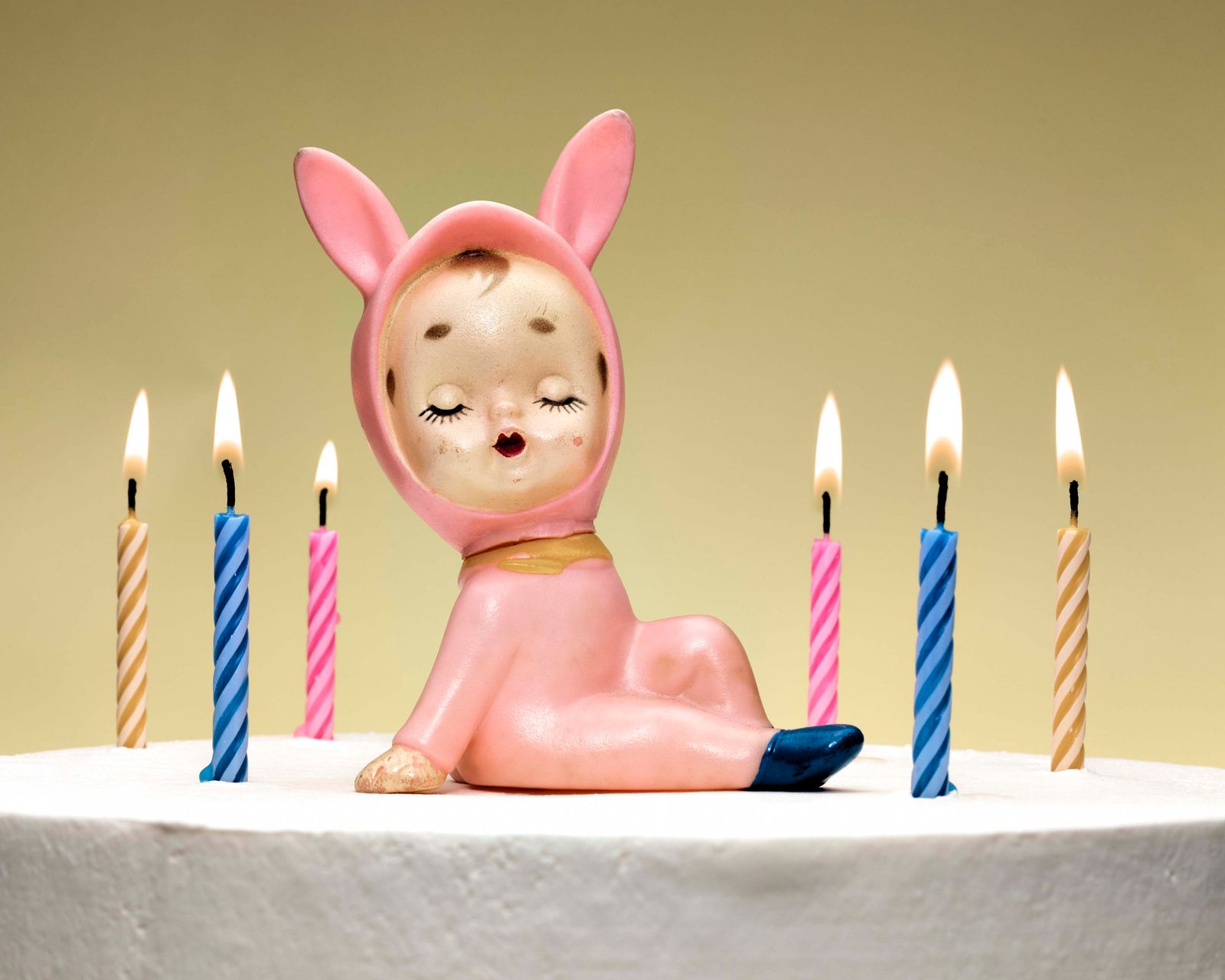
It was my last summer at home in Los Angeles before going to college, and it was the first summer I had nothing to do—no SAT classes, no tutors. So I spent a lot of time wandering around my family’s Italian bakery. My Korean immigrant parents bought it from the original owner, who started it in the 1960s, so it came with a lot of history.
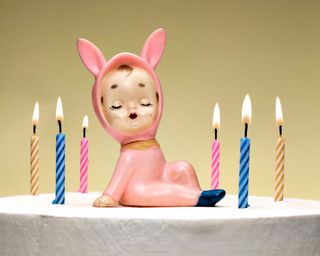
In the bakery’s attic were rows and rows of wire racks and a bunch of plastic containers filled with cake toppers. I remember they were really dusty and old, and as I was digging around, I found a baby. I later lost it while traveling in the Sahara, but luckily, my mother found two identical toppers in the attic, and we each kept one.
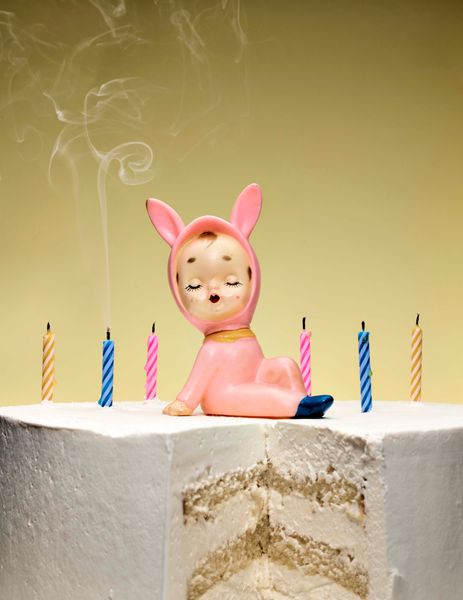
Photo: Marcus McDonald
I was drawn to her because she’s cute, with little cheeks and bunny ears, but a little uncanny. It’s hard to imagine what occasion she was meant to commemorate—a baby shower? Easter? She has this very specific kind of femininity, not dissimilar to a Kewpie doll—sweet, yet sexy and coquettish, perhaps a little perverse. I liked that tension. It takes something familiar and displaces it just enough to make you look again.
That’s something I think about with my architectural designs at the New York firm I cofounded, O•N. I’m interested in kitsch, camp, and balancing lowbrow with highbrow. I care about art objects, but I’m just as interested in the challenge of making something beautiful out of materials or references that are imperfect, odd, or difficult to categorize. Maybe that’s why I’ve carried this cake topper around for so long.
My parents didn’t bring any historical objects or artifacts with them when they came to the States. So when they bought the bakery, for the first time I felt like we owned some piece of history and Americana. My parents sold the bakery a dozen years ago, and the baby cake topper is the only artifact I have left. The bakery was a place full of objects and traces from a period of American life that I thought I wasn’t part of. But now it’s in the fabric of my life and my identity.
The cake topper is humorous and a little odd, but I’ve come to appreciate the depth and character these kinds of idiosyncrasies can create in people and architectural spaces. It reminds me to embrace the weird.
—