You Should Try a Gravel Garden
With no need for mulch or fertilizer and fewer weeds, the technique is a no-brainer for many gardeners. Here, three experts tell us how to get started.
With no need for mulch or fertilizer and fewer weeds, the technique is a no-brainer for many gardeners. Here, three experts tell us how to get started.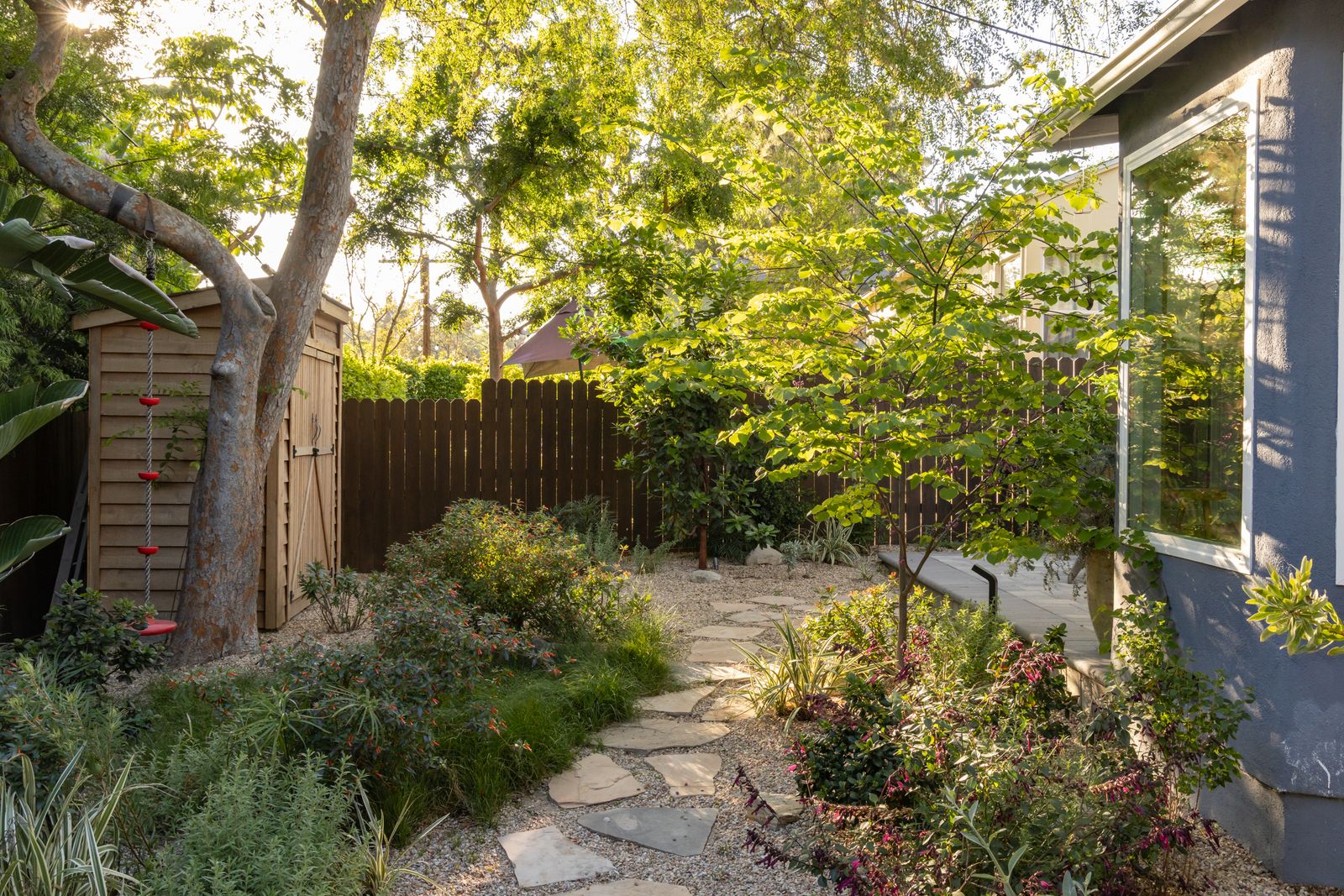
Horticulturist and garden designer Jeff Epping wasn’t initially thrilled with gravel gardens. Epping had been working with plants for 35 years, but he’d always found the garden technique, which substitutes soil with a six inch layer of gravel to plant deep-rooted, drought-tolerant perennials, to be cold and uninspiring.
Even while visiting friend and fellow experienced garden designer Roy Diblik in Madison, Wisconsin in 2006, Epping recalls thinking that Diblik’s gravel garden resembled a parking lot more than an actual garden. However, during that same trip, Diblik’s passion for the climate change resilient garden design proved to be contagious—"and I couldn’t ignore how easy the garden was to maintain," he now confesses. Two years later, he designed his first gravel garden for a corporate job in Wisconsin, then another at Olbrich Botanical Gardens in Madison, where he was the director of horticulture for 28 years. Both gardens were striking and amazingly simple to care for—no need for irrigation, fertilizer, or mulch, and weeds were few and far between. Epping was stunned.
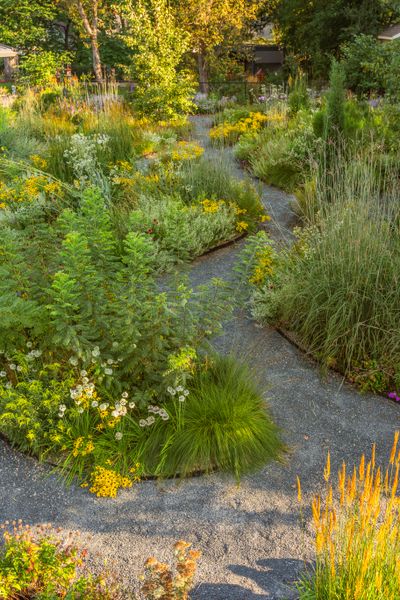
Featured in Epping’s book, writer Ana McCracken made a prairie-inspired gravel garden in Ames, Iowa to complement her rustic farmhouse-style abode.
Image by Bob Stefko
"Gravel gardens do take a fair amount of water to get them going and to get the drought-tolerant plants rooted in, but after that, it’s super minimal water, and every spring, the gravel gardens need a simple cleanup," he says. "But other than that, work input for the gardener is incredibly little."
Epping gave lectures on the topic, and following an abundance of audience questions, realized that others could use a resource before taking the plunge into gravel gardening. This summer, he delivered with his first book: The Gravel Garden: Visionary, Drought-Defying, Naturalistic Designs. In it, Epping reveals how gravel gardening is the future of ecological landscaping, from smaller sized home lots to massive public and commercial spaces, and shows how anyone, even beginners, can partake in this naturalistic approach to lawns and gardens.
With this objective in mind, we spoke with Epping and other gravel garden experts about their approaches to this technique.
The Gravel Garden by Jeff Epping
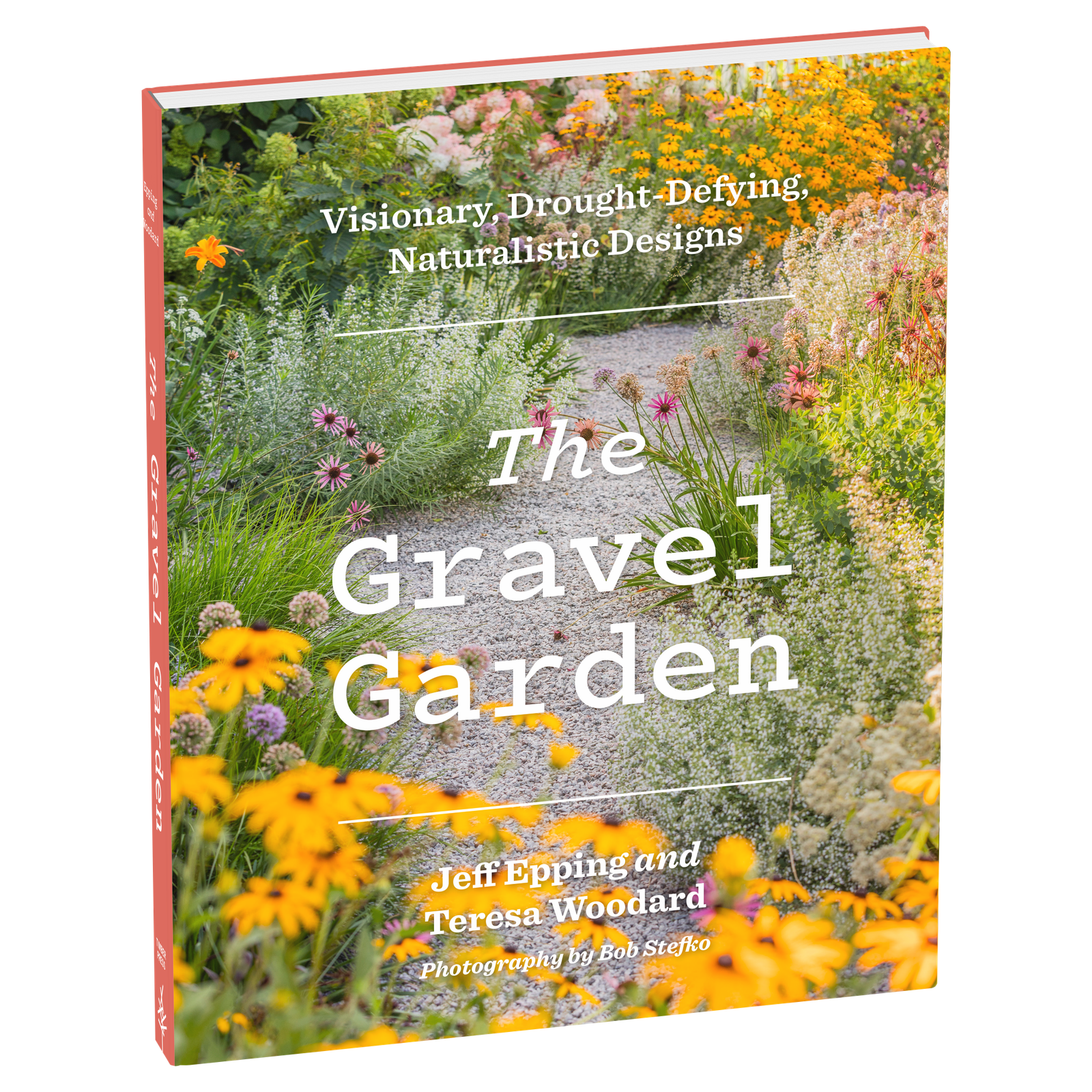
An introduction to gravel gardening, featuring 20 gardens across the US and Europe that are leading the way in this ecological, drought-defying, low-maintenance technique.
What’s a Gravel Garden?
Gravel gardening is a low-maintenance, drought-tolerant planting technique that uses gravel to replace soil surfaces. According to Epping, it was first popularized 30 years ago by Beth Chatto in England, where she converted a gravel parking lot into a drought-tolerant garden despite meager annual rainfall. After this, a smattering of gardeners took it up, realizing that plants in gravel need little water and the gravel itself is well-draining—preventing waterlogging and root rot. The gravel even behaves like mulch, suppressing weeds and eliminating the need for mowing.
Gravel gardens require sun and well-draining soil under the gravel. The gravel is spread to a depth of about six inches, allowing enough room for deep-rooted native plants to grow and pull moisture from all levels of the gravel and soil. While you can’t plant seeds in a gravel garden—it’s harder for the roots to establish—many different types of mature plants from bulbs to shrubs flourish in a gravel garden.
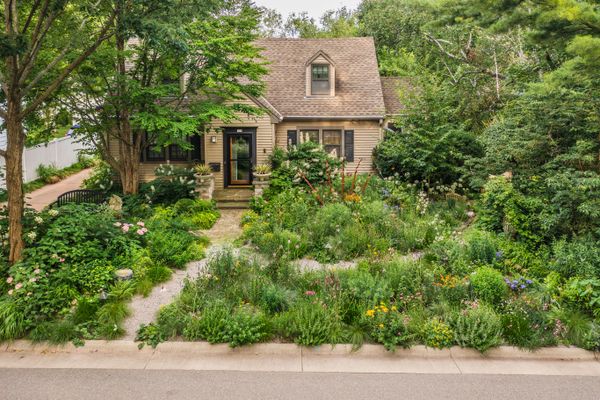
Though not initially a fan of gravel gardens, Epping fell in love with the technique and ended up making his own sprawling gravel garden in Madison, Wisconsin.
Image by Bob Stefko
Where Should You Plant a Gravel Garden?
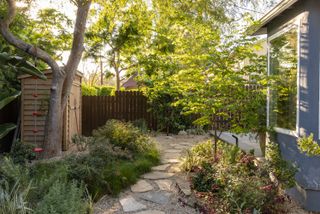
Desert and arid regions support gravel gardens best, but regardless of your location, if you have a smaller yard where grass won’t grow, consider gravel gardening. "The sustainable aspect of gravel is that it holds soil moisture very well," says Russell Wightman, founder and principal designer at Russell Wightman Design. In the Mount Washington neighborhood of Los Angeles, he designed a gravel garden to replace a lackluster lawn besieged by intense midday heat and ample shade from a huge tree the rest of the time. Wightman chose a mix of shrubs and perennials with showy blooms that could straddle these conditions. In the end, a gravel garden made the most sense, partly for sustainability and partly for the aesthetics. Despite initial apprehension, once the plants started to grow in, his client understood "the beauty of the gravel vanishing under the plants," he says.
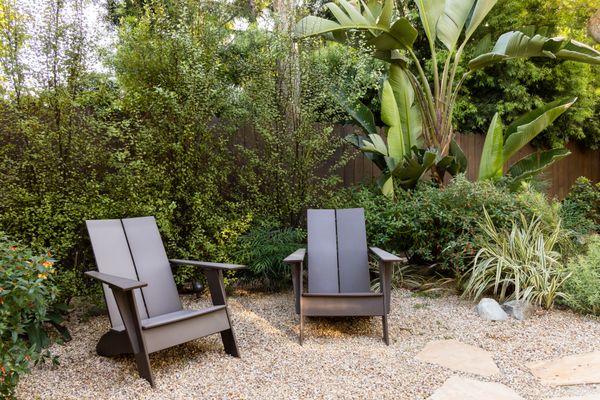
The gravel became a unifying element to this garden in the Mount Washington neighborhood of Los Angeles, tying the planting areas and the patio space together. Wightman’s clients were apprehensive when the team first laid out gravel until the plants started to fill in.
Image by Kurt Simonson Photography
See the full story on Dwell.com: You Should Try a Gravel Garden