Did You Know Isamu Noguchi Designed a Baby Monitor?
Journalist Spencer Bailey explains why he keeps one on his bookshelf.
Journalist Spencer Bailey explains why he keeps one on his bookshelf.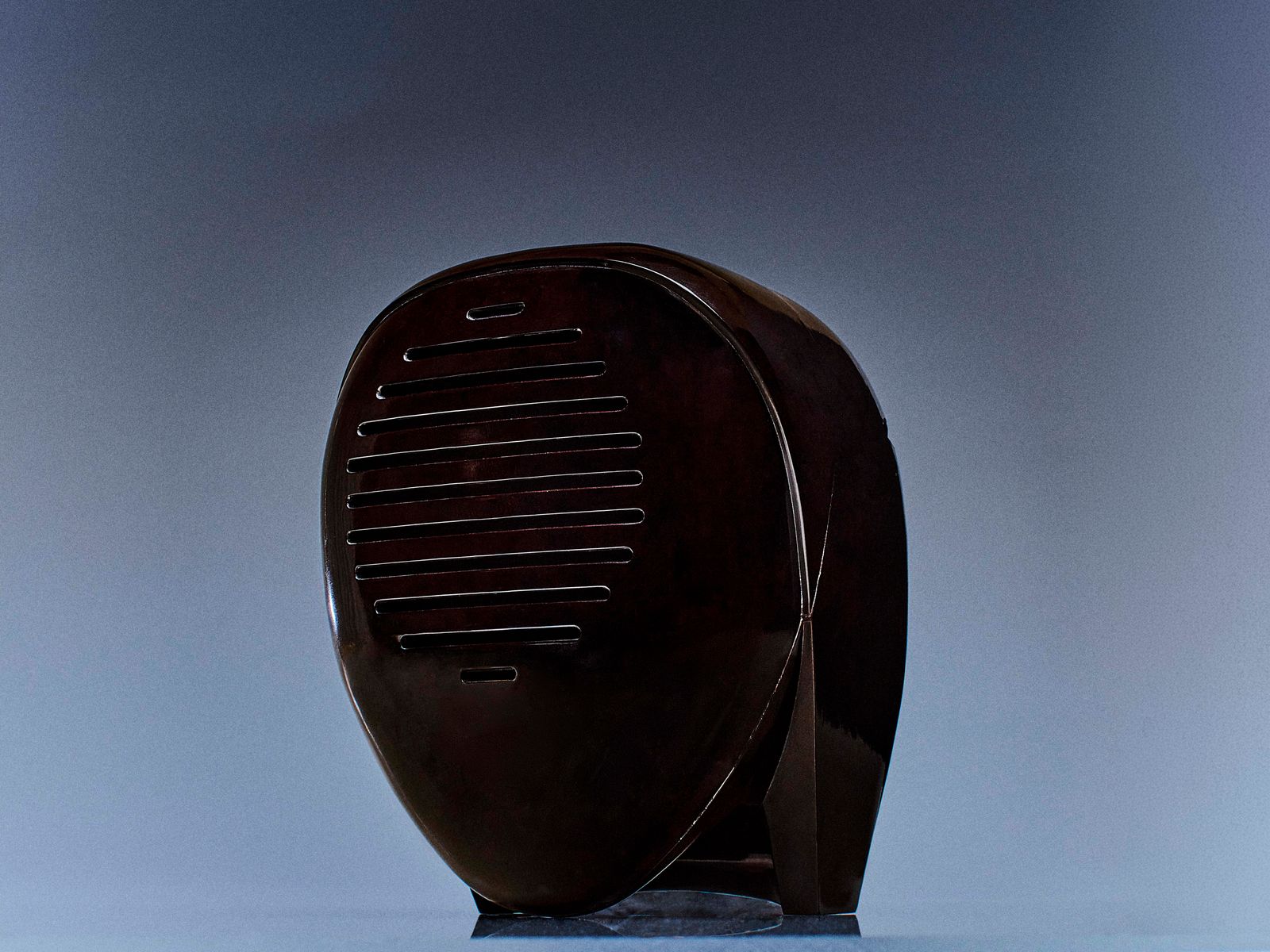
It’s fair to say I’m a Noguchi nut. The first time I went to the Noguchi Museum in Long Island City in 2014, time slowed, and I swear my body chemistry changed. The museum was designed and founded by Isamu Noguchi, who worked fluidly across sculpture, landscape design, and products—his practice resists any clear categorization, because he collapsed boundaries between disciplines. I had never heard of Noguchi before that visit, but I was transfixed.
What started as a visceral response has turned into an intellectual journey that I’m still on today. I tend to troll AbeBooks and online auctions for all things Noguchi—I have more than one hundred titles about him now, along with photos and ephemera, and my wife and I have a dozen Akari light sculptures in our house.
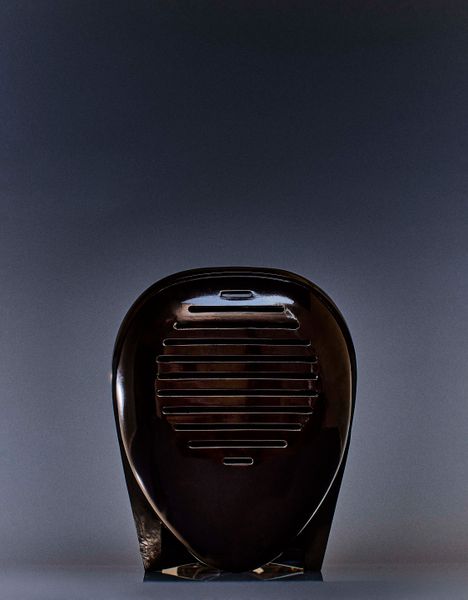
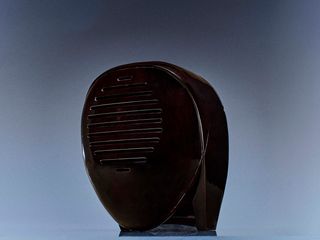
Recently, I won this 1930s baby monitor through an auction house. The Zenith Radio Nurse was Noguchi’s first major industrial commission, and he made the technology less intimidating for the home by abstracting it into a round, stone-like form made of Bakelite. It’s an example of the kind of forms that came to define his sculptures.
There’s a conceptual openness to the radio. Noguchi designed it early in his career, before he was hired by Knoll, when he was figuring out how to make it as an artist and experimenting with design. He lived with this sense of the in-between, embracing complexity, contradiction, and a poly-vocal nature within himself, which mirrors my interest in design as an editor and journalist. I want to explore design as a glue for the in-between places of culture—something that quietly shapes our perception rather than declares itself.
Noguchi’s work, whether art or functional design, like the baby monitor, doesn’t dictate anything. Rather, it’s a series of portals—each one offers a different way of looking, imagining, and dreaming. His is a kind of inefficiency, of exploring, that is opposite to our lives now, which are dominated by efficiency and speed. Noguchi’s approach was slow, thoughtful, and methodical, qualities his work still gives us the opportunity to embrace today.
—